This project aims to develop a platform for urban flood risk mitigation as well as water quality improvement in Asian coastal cities. Special attention will be paid to the impacts of climate change and urbanization on water allocation and water quality levels in soil, river water and coastal water by using the latest CMIP6 Socio-economic climate change scenarios centred on SSPs (Shared Socio-economic Pathways). The platform will be developed and set up based on existing projects and models. It includes (1) a flood model, to assess how climate and human activities will impact hydrological processes and surface water levels, (2) a river water quality model, to assess how river flow changes combined with human activities will impact surface water quality and nutrient levels especially during flood events, (3) a coupled model to be used as a management tool for flood and water quality management in flood. These three models will form the basis for a new integrated platform to assess flood, water allocation, water quality, nutrients, and to explore new scenarios for improved water allocation and water quality. Furthermore, it will address multifaceted challenges of excessive runoff, water scarcity as well as water pollution due to climate change and human activities by providing urban-system based adaptation measures to strengthen resilience of the study sites that can be extended to traditional urban water management systems to cope with climate change and urban development.
Project leader
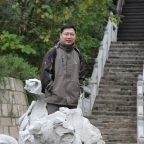




Prof. Herath Srikantha, Center for Urban Water, Sri Lanka
One of the most remarkable projects I've had the privilege to be part of, collaborating with an exceptionally cordial team from the China, Sri Lanka, Thailand, and Japan. We achieved outstanding results and significant impacts during COVID with limited resources.
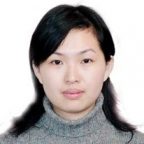
Prof. Bam Razafindrabe, University of the Ryukyus, Japan
I feel privileged to be part of this APN project. It has provided me with essential knowledge in nature-based wastewater treatment and flooding disaster research. The project also allowed me to engage with experts, participate in seminars, and exchange valuable insights.
Project publications

Exploring the Comprehensive Evaluation of Sustainable Development in Rural Tourism: A Perspective and Method Based on the AVC Theory

Project final report: CRRP2020-03MY-He

Response strategies of stem/leaves endophyte communities to nano-plastics regulate growth performance of submerged macrophytes

Bacterial community are more susceptible to nanoplastics than algae community in aquatic ecosystems dominated by submerged macrophytes

Effect of the quality of streamflow forecasts on the operation of cascade hydropower stations using stochastic optimization models

Individual and combined toxicity of microplastics and diuron differs between freshwater and marine diatoms

Spatially Non-Stationary Relationships between Changing Environment and Water Yield Services in Watersheds of China’s Climate Transition Zones

A quantitative analysis of research trends in flood hazard assessment

Urban Flood-Related Remote Sensing: Research Trends, Gaps and Opportunities
Interactions between shrub encroachment and water infiltration on the hillslope of a typical steppe

Comparative Assessment of Sponge City Constructing in Public Awareness, Xi’an, China

Individual and combined toxicity of microplastics and diuron differs between freshwater and marine diatoms

Separation membranes with long-term stability and high flux prepared through intramembrane dopamine-based nanoparticle assembly

Quantifying streamflow predictive uncertainty for the optimization of short-term cascade hydropower stations operations

Evaluation of agriculture non-point pollution load and its characteristics in all districts and counties of Guangdong

Long-Term Stability and High Flux Membrane Prepared Through Intramembrane Dopamine-Based Nanoparticle Assembly

Influence of co-existing anions and cations on phosphate sequestration onto goethite

Remote Sensing in Hydrology and Water Resources Management
