Air pollution associated with biomass-burning haze has become a major climate-related disaster risk in Upper Southeast Asia (USEA), particularly during prolonged dry seasons and extreme climate variability. While fine particulate matter (PM2.5) has been widely investigated, ultrafine particles (UFP; PM0.1, particles ≤0.1 μm) remain poorly understood despite their potential impacts on urban health vulnerability, atmospheric warming, and climate resilience.
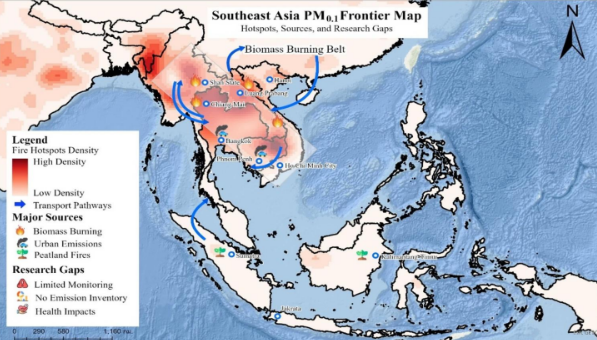
Figure 1. PM0.1 Frontier in Southeast Asia (Phairuang et al., 2026a)
Figure 1 shows PM0.1 pollution in Southeast Asia is strongly influenced by biomass burning, urban emissions, peatland fires, and regional air circulation. Despite these significant pollution sources, major gaps remain in PM0.1 monitoring and understanding, highlighting the need for expanded research and stronger regional cooperation in transboundary air quality management. Therefore, this study aims to —
(1) Examine the spatial and temporal characteristics of PM0.1 and carbonaceous aerosols during biomass-burning episodes across Cambodia, Thailand, and Myanmar.
(2) Assess the implications of PM0.1 for atmospheric warming and urban health vulnerability in USEA.
(3) Provide evidence to support PM0.1 monitoring, air quality management and climate adaptation strategies in USEA.
The results of this study will support research and policy on air pollution control and environmental management in developing countries.
This poster was presented during the 11th APN Early Career Professional Poster and Networking Session, held alongside the APN 27th Joint Intergovernmental and Scientific Planning Group Meetings on 9 July 2026 in Bangkok, Thailand.
Related content

Bridging the Blue Gap: A Media-Based Participation Model for Localizing Nature-Based Solutions in Thong Tom Yai, Thailand

Enhancing Flood Resilience and Floodplain Habitat Connectivity through Land-use Policy Scenarios under Future Climate Conditions in the Chao Phraya River Basin
