Journalists have a central role in communicating climate science across the world. In Indonesia and Malaysia, both middle income countries, the impacts of climate change are felt much more strongly, due to devastating floods and other extreme weather events. In these two countries, journalists can play an urgent and important role in communicating climate change with the lay public to build climate literacy. However, there are multifaceted issues to tackle including: poor quality reporting; the various languages spoken, the socioeconomic levels of the population, differing literacy levels, the overuse of jargon and technical language often used to describe climate change. This all makes presenting information about climate change too complex to understand. Unfortunately, most climate change capacity building initiatives for journalists are borne from the Global North countries and do not reflect the cultural and environmental sensitivities that Malaysia and Indonesia require. Timely action is desperately needed to build the capacity of journalists in a systematic way so that journalists can write science informed, plain language, visually appealing and impactful, engaging stories. Our solution is to close this gap by facilitating the development of a shared bank of resources for climate journalists to use freely at any time. After the resources are systematically created, we will run a training programme on how to use the resources, and then evaluate it.
Project leader

Project collaborators


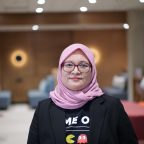

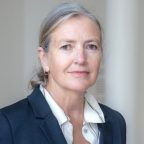
Professor Duncan McDuie-Ra, Head of School, School of Arts and Social Science, Monash University Malaysia
"The impacts of climate change are experienced across cultures, languages and locations. The Asia-Pacific Network for Global Change Research demonstrates the power and necessity of building networks across communities, journalists and researchers to better understand the ways climate change is experienced on the ground, and in turn, the ways on the ground experiences shape our knowledge about climate change."
Ms Soon Li Wei, Journalist, BERNAMA
"To tell impactful climate stories, journalists need not only a basic understanding of climate science but also strong connections with scientists, policymakers, academics and people on the ground, especially among vulnerable communities affected by climate change. Building these connections is important because scientists and academics often publish valuable research and findings in scientific journals, but the information can be too technical for the general public to understand. As journalists, we play an important role in bridging this gap by translating complex scientific findings into simple, relatable and engaging stories that readers and audiences can easily understand.”
Journalist from FGD in Malaysia
"Language, language, language, because they (public) speak in their own language. But when we went when it comes to do the stories about climate change, and all that, where we deal with the scientists, mostly journals are all in English. This is why it is important to have local context and local language.”
Scientist from FGD in Indonesia
“We need media that can rewrite or repackage serious content from us so that it can be understood and consumed by anyone, including people who are not very scientific. To us as researchers, all these things are important, but journalists will look for something that has news value. Researchers and journalists have different perceptions of what is important.”
Project publications

Project final report: CBA2023-02MY-Azhari

Localizing climate narratives: co-producing public communication in Malaysia and Indonesia

Report: Enhancing Climate Change Communication: Insights from the Melbourne Workshop

Report: Focus Group Discussion Workshop in Indonesia

Report: Focus Group Discussion Workshop in Malaysia
Related content

Cooling the heat, healing the mind: Building climate-health resilience for outdoor workers across Malaysia, India, and the Maldives
