
Capacity development for smallholder farmers on climate-smart agriculture via co-experiments in home gardens
Keywords
Citizen science · Climate resilience · Climate-smart agriculture · Food security · Organic vegetables
HIGHLIGHTS
- Participatory CSA training and co-experiments in home gardens improved household food availability, dietary diversity, income opportunities and climate resilience.
- Engaging farmers in co-design and implementation strengthened local capacity, knowledge exchange and confidence in adopting CSA practices.
- Citizen science monitoring via smartphones demonstrated potential for farmer-led data collection but required ongoing technical and digital support.
- Strengthening local cooperatives, market linkages and continuous capacity building are essential for sustaining and scaling CSA adoption in upland communities.
1. INTRODUCTION
Climate change poses significant challenges to global agriculture, affecting food security, livelihoods and environmental sustainability. Rising temperatures, altered precipitation patterns and increased extreme weather events, as reported by the IPCC (2019), threaten agricultural productivity and global food production. Between 2015 and 2019, about 19.9 million hectares of cropland in ASEAN countries were affected by drought and 3.6 million hectares by floods, leading to an estimated 21.9 million tons of crop losses across Cambodia, Indonesia, Laos, Myanmar, Thailand and Vietnam (Venkatappa et al., 2021). In response, Climate-Smart Agriculture (CSA) has emerged as an integrated framework to enhance productivity, build resilience and reduce greenhouse gas emissions (FAO, 2010). CSA encompasses diverse practices, including agroforestry, conservation agriculture, water-efficient irrigation and integrated pest management, that are designed to increase sustainability while addressing local climate risks (Khatri-Chhetri et al., 2017).
Home gardens are small, diverse agricultural systems near households, and are common in both developed and developing countries. They enhance food security, nutrition and biodiversity, while also contributing to climate resilience. A 9 m2 garden with varied vegetables can meet up to 9.2% of daily protein needs and over 20% of key vitamins like calcium and potassium (Nogeire-McRae et al., 2018). Through mixed cropping and organic practices, home gardens also support carbon sequestration and reduce agriculture’s environmental footprint (Chadha, 2023; Sarkar et al., 2022).
In developing countries, home gardens play a particularly critical role in supporting rural livelihoods. They are often managed by women and elderly family members and serve as a buffer against food insecurity and income instability (Baliki et al., 2023). Galhena et al. (2013) emphasise that in regions where hunger and malnutrition are more acute, home gardens provide essential micronutrients through the cultivation of fruits, vegetables and medicinal plants. Harika et al. (2017) highlight their importance in addressing micronutrient deficiencies among women in Ethiopia, Kenya, Nigeria and South Africa. In crisis and emergency settings, such as conflict-affected or climate-vulnerable regions, home garden interventions have proven effective in sustaining food access and improving household resilience (Baliki et al., 2023). Additionally, Gifawesen et al. (2020) note that home garden agroforestry practices in developing countries enhance climate adaptation and support small-scale farmers by improving soil health and biodiversity.
In Vietnam, home gardens are central to smallholder livelihoods, particularly in mountainous and ethnically diverse regions (Minh et al., 2015; Trinh et al., 2003). They enhance food security, generate income and conserve biodiversity through integrated systems combining horticulture, aquaculture, livestock and forestry resources (Quat, 1995). The main types of Vietnamese home gardens include garden–livestock (VC), forest–garden–livestock (RVC), and garden–pond–livestock (VAC) models, each reflecting adaptation to specific ecological and social contexts. Evidence shows that agroforestry, a kind of RVC/VC system which integrates perennial fruit trees with annual vegetables, is particularly suitable for sloping landscapes in the northern mountainous regions, offering soil stabilisation, diversified food sources and climate resilience (Do & Bui, 2023; Hoang et al., 2017).
Despite their potential, home gardens in Vietnam face significant constraints that limit CSA adoption. Many smallholders lack access to climate-smart knowledge, technical guidance and market linkages (Truong et al., 2022). The uptake of CSA technologies such as efficient irrigation, biological pest control and organic fertilisation remains low due to limited extension support, poor infrastructure and weak institutional coordination (Baliki et al., 2023; Huynh et al., 2023). Moreover, home gardens are seldom recognised within formal climate adaptation or agricultural development policies, resulting in underinvestment and fragmented implementation (Tian et al., 2025).
To address these gaps, a community-based CSA project was implemented in Chieng Yen Commune (now Van Ho Commune), Son La Province, in northern Vietnam. The project aimed to strengthen farmer capacity and demonstrate locally adapted CSA solutions through participatory learning and experimentation. Thirty-four farmers participated in CSA training and eighteen households applied a combination of CSA practices, such as intercropping, organic composting (including vermiculture), efficient irrigation, fruit-tree integration and biological pest management, within their RVC/VC home gardens. The project also introduced a citizen science approach using the ESRI Survey123 mobile application, enabling farmers to act as co-researchers by monitoring crop growth, soil conditions and pest incidence through smartphone-based reporting. This participatory and technology-assisted model was designed to foster learning-by-doing, improve local data collection and feedback, and promote the long-term adoption of CSA practices.
The present paper examines the implementation process and early outcomes of this initiative, assessing changes in household food security, livelihoods and adaptive practices. It further draws lessons on how participatory and digital tools can enhance farmer engagement, capacity building and policy learning for scaling CSA-based home-garden models in similar mountainous contexts.
2. METHODOLOGY
2.1. Study area
The pilot project was implemented in Buot Village (now part of Hop Thanh Village), Chieng Yen Commune (now Van Ho Commune), Son La Province, approximately 145 km northwest of Hanoi (20°43″50.65″N, 104°59″18.54″E) (Figure 1). The area represents a typical mountainous landscape of northwest Vietnam, characterised by a humid subtropical climate with annual rainfall of 1557 mm and temperatures ranging from 9–32 °C. The community is primarily inhabited by the Thai, Muong and Dao peoples, three of Vietnam’s 54 officially recognised ethnic minority groups, whose distinct cultural traditions and long-standing farming practices reflect deep adaptation to upland environments. Agriculture and livestock production remain the main livelihood activities (Van Ho People’s Committee, 2018).
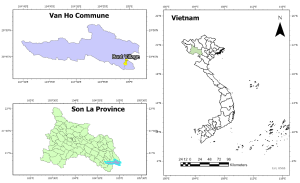
Vietnam’s administrative system is structured hierarchically into provinces (tỉnh), communes (xã), and villages (thôn or bản). A commune represents the lowest administrative level with a local government, typically comprising several villages that function as cohesive clusters for social and economic activities. The village level is therefore the most localised and socially unified unit, providing a strong foundation for community-based and participatory initiatives.
Buot Village was purposively selected for three main reasons. First, it demonstrated high socioeconomic readiness and strong institutional alignment, as it is part of the Van Ho Agritage network and is home to the Dong Rung Cooperative, which facilitates community leadership, accountability and participation. Second, it is ecologically representative of upland farming systems that integrate subsistence and market-oriented livelihoods, making it a suitable site for developing and scaling CSA models. Third, the village has emerging agro-tourism potential, offering opportunities to link organic production with cultural tourism, thus enhancing both livelihood diversification and rural sustainability.
Focusing the pilot within one cohesive community allowed intensive participation, peer learning and collective experimentation, essential for testing and refining CSA practices under real local conditions. This grassroots, participatory approach aligns with Vietnam’s decentralised rural development framework, which emphasises local empowerment, community ownership, and context-specific adaptation (Government of Vietnam, 2020; United Nations Development Programme [UNDP], 2015).
2.2. Preliminary survey on home gardens before project intervention
A preliminary survey was conducted with 39 of 54 households in Buot Village to establish an initial understanding of local home garden conditions prior to project implementation. Using semi-structured questionnaires, the survey gathered information on household demographics, land use, crop composition and existing home garden management practices. Field observations were also conducted to verify and enrich interview responses.
Although primarily intended to inform project design and identify key capacity building needs, the survey data also provided a reference point for assessing changes in home-garden structure, management and household livelihoods following project implementation. Hence, while not a formal baseline survey with statistically representative sampling, it served as a contextual and comparative benchmark to evaluate the direction and magnitude of change over time.
2.3. Project intervention
2.3.1. Capacity building training workshops
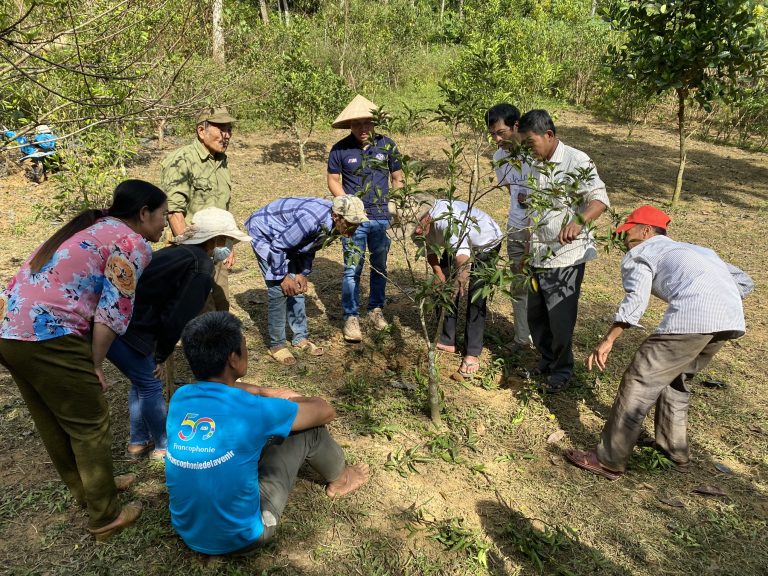
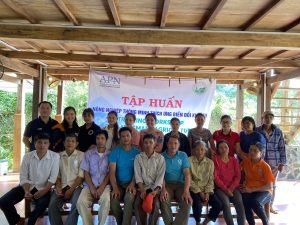
In September 2022, 34 farmers were selected in Chieng Yen in Van Ho district, Son La province, to participate in a technical training workshop on designing home gardens, agroforestry, organic farming, intercropping, pest and disease management and composting (Figures 2 and 3). Participants were also trained on how to use sensors and apply their smartphones to monitor and report agricultural indices in their own fields.
2.3.2. Selecting households participating in the experiment
A total of 18 households with existing home gardens voluntarily registered for the project (see Appendix A). The small sample size was intentionally chosen to enable close facilitation, participatory learning and in-depth observation of CSA practices under real household conditions. As an exploratory pilot, the study aimed to test feasibility and refine approaches rather than generate statistically representative findings.
Household selection was purposive, based on the following criteria:
- Willingness to participate and commit to the project throughout its duration.
- Availability of home garden space suitable for establishing experimental plots.
- Representation of diverse socioeconomic conditions and farming experiences.
- Interest in adopting CSA practices and serving as peer educators within the community.
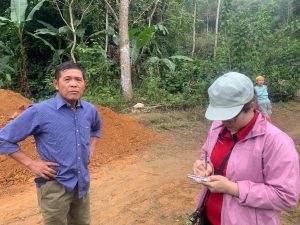
Participating households (Figures 4 and 5) were required to follow project guidelines, attend all training sessions, and contribute labour for garden management and monitoring.
2.3.3. Co-design CSA experiment
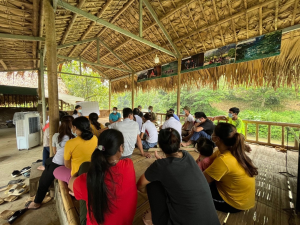
Households participated in a focus group discussion (FGD) to identify priorities and propose changes to their home gardens, including the selection of suitable fruit trees, annual crops and management practices (Figure 6). The discussion allowed farmers to share experiences and constraints, while researchers and extension staff introduced feasible CSA options adapted to local conditions.
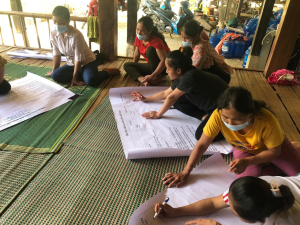
Each household then developed a garden layout plan, mapping the placement of crops, composting sites, and irrigation systems with technical guidance from experts. The process combined farmers’ traditional knowledge with scientific advice on intercropping, soil fertility, and biological pest management.
This participatory co-design ensured that the experimental models reflected each household’s needs, labour capacity, and land characteristics. It also strengthened local ownership and learning, laying the foundation for sustained CSA adoption in the community.
2.3.4. Experimental design and citizen science co-implementation
Each household implemented a suite of CSA interventions adapted to local conditions, including:
- Agroforestry and intercropping within home-garden systems.
- Nutrient and pest management through bio-treatments using Metarhizium anisopliae and effective micro-organisms (EM).
- Livestock waste management through vermiculture composting to enhance soil fertility.
- Water management using low-cost irrigation technologies.
To evaluate the effectiveness of these practices under actual farming conditions, each household established two plots within the same home garden, an experimental plot and a control plot. Conducting both treatments within the same garden ensured comparable conditions, as the soils were loamy with a slightly acidic pH (5.5–6.5), moderate organic matter content (2.1–2.8%) and uniform texture and drainage. Plot sizes ranged from 200–400 m2, depending on household land availability.
The experimental plots received biocontrol treatments (M. anisopliae and EM), which were incorporated into the soil before planting and reapplied every 14 days, while control plots received no treatments. From November 2022 to January 2023, households tested these treatments on Kohlrabi (Brassica oleracea var. gongylodes) and from March 2023 to May 2023 on cucumber (Cucumis sativus), to assess their effectiveness in pest and disease management through a citizen-science monitoring approach.
The project adopted a citizen-science model, where farmers acted as co-researchers in monitoring and documenting changes in their own gardens. Citizen science refers to the active participation of non-scientists in collecting, analysing and interpreting data, enhancing both scientific rigour and community learning. Farmers recorded observations on crop growth, pest and disease incidence and yields using the ESRI Survey123 mobile application (Esri, n.d.). Pre-loaded digital questionnaires enabled participants to capture quantitative data, qualitative notes and photographs directly from the field, which were automatically uploaded to a central database. These data were later aggregated and analysed to generate timely, evidence-based feedback, allowing households and researchers to jointly refine CSA practices.
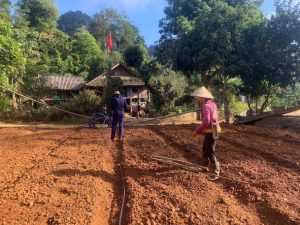
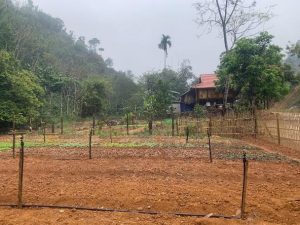
To support implementation, each household received equipment and inputs, including a pumping machine, a drip-irrigation system (Figure 7), vegetable seeds and fruit-tree seedlings such as jujube (Ziziphus mauritiana), persimmon (Diospyros kaki) and guava (Psidium guajava), and vermiculture starter kits for composting. All inputs were selected and designed through participatory co-design discussions with farmers.
2.4. Impact assessment survey
To evaluate the impacts of CSA practices, a survey was conducted with all eighteen participating households between the 25th and 30th of March 2024. Socioeconomic indicators included household income from vegetable sales, household food self-sufficiency, labour input and time savings, and perceived changes in knowledge and confidence in applying CSA practices. These indicators were selected to capture both economic benefits and behavioural changes influencing long-term adoption (FAO, 2011; Galhena et al., 2013). Environmental indicators comprised pest and disease incidence, and crop diversity and productivity. Data were collected using semi-structured questionnaires, field observations and smartphone-based monitoring through the ESRI Survey123 platform. This mixed-method approach provided a comprehensive understanding of tangible livelihood outcomes and ecological improvements, consistent with FAO’s (2013) framework for assessing CSA feasibility and scalability.
2.5. Data analysis
2.5.1. Quantitative data analysis
Quantitative data obtained from the household questionnaires were entered into Microsoft Excel for cleaning and analysis. Descriptive statistical tools were employed to summarise the data, including frequency, percentage, mean and range to describe household characteristics, garden sizes and income levels.
2.5.2. Qualitative data analysis
Qualitative data derived from survey responses were analysed using thematic analysis following the six-phase framework proposed by Braun and Clarke (2006). This approach was selected to systematically identify, organise and interpret patterns of meaning across participants’ narratives related to home garden management and CSA practices.
Researchers first familiarised themselves with the data through repeated reading of transcripts and detailed field notes to gain an overall understanding of participants’ perceptions and experiences. The qualitative data were then transcribed, reviewed and coded, with initial codes assigned to recurring ideas, words and expressions relevant to the study objectives. These codes were discussed collaboratively by the research team to ensure consistency and reliability in interpretation.
The codes were then grouped into themes representing practices applied in experience. Themes were iteratively reviewed, refined and aligned with the overall research purpose to ensure that they captured all relevant insights and nuances within the qualitative data. Illustrative quotes from participants were included in the results section to highlight individual perspectives and provide contextual depth to each theme. This analytical process facilitated the identification of both shared experiences and variations among households, thereby strengthening the interpretation of farmers’ perceptions and behavioural changes following project interventions (Braun & Clarke, 2006).
3. RESULTS AND DISCUSSION
3.1. Results of pre-project survey of home gardens in Buot village
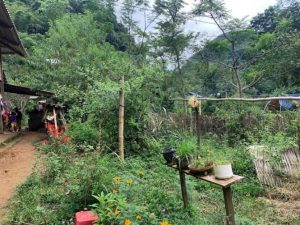
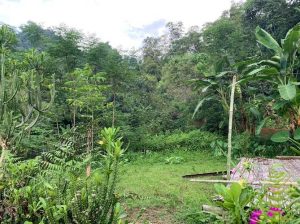
The pre-project survey conducted in 39 out of 54 households in Buot village revealed that all households have a home garden ranging from 150 to 10,000 m2 for agricultural purposes (Table 1). Eighty-two per cent of all gardens range from 1000 to 5000 m2. However, most home gardens had been underutilised or poorly designed, resulting in inefficient use of space (Figure 8).
| Variable | Responses | Value | Percentage (%) |
|---|---|---|---|
| Number of households | 39 | ||
| Gender | Male | 20 | 51.28 |
| Female | 19 | 48.72 | |
| Education level | Illiterate | 1 | 2.56 |
| Primary school | 23 | 58.97 | |
| Secondary school | 5 | 12.82 | |
| High school | 3 | 7.69 | |
| Technical school | — | — | |
| College/ university | — | — | |
| Land size | Home garden | 150–10,000 m2 | |
| Housing | 60–1000 m2 |
Most farmers engage in crop cultivation, livestock rearing and fish farming within their home gardens, providing income ranging from 50 to 4000 USD/year/household (mainly from poultry and livestock and varying significantly among households).
Although households cultivate a range of species (Appendix A), there is mostly no income from home gardens. Fruit trees dominate the home gardens, particularly bananas (mainly used for livestock feed), pomelos and oranges; however, their low quality limits sales to very small quantities. Crops that provide essential daily nutrients, such as leafy vegetables and roots, are limited to only a few households, as they often resort to collecting vegetables from the forest.
As home gardens primarily serve to supplement household needs rather than be a primary source of income, the labour for these gardens is provided by family members, primarily the father and mother, who contribute 44% and 48%, respectively. With limited labour available, there are typically only two to four individuals per household. The CSA practices must be manageable and not excessively time-consuming.
It is noteworthy that most households lack irrigation systems and rely primarily on rainfall or nearby water bodies to water their gardens. Hence, installing a proactive water system is essential to developing agricultural production in home gardens.
3.2. Characteristics of participating households
A total of 18 households participated in the co-experiment, of which 12 (67%) were female-headed (Table 2, the detailed list of participants in Appendix A). The participants’ ages ranged from 25 to 65 years, with an average of 43.8 ± 9.7 years. Among them, 2 participants (11%) were aged 18–30 years, 8 (44%) were aged 30–45 years, 7 (39%) were aged 45–60 years and 1 (6%) was over 60 years old. Most households had an annual income between USD 1000 and 2000, primarily derived from annual crops such as rice, maise and peanuts, as well as from livestock farming, including pigs, cattle, chickens and ducks. In terms of garden size, 44% of households had gardens ranging from 1000–3000 m2, 39% had gardens smaller than 1000 m2 and 17% had gardens larger than 3000 m2.
| Variable | Category / Unit | n |
% | Mean ± SD (Range) |
|---|---|---|---|---|
| Gender | Female | 12 | 66.7 | — |
| Male | 6 | 33.3 | — | |
| Age (years) | 18–30 | 2 | 11.1 | 43.8 ± 9.7 (25–65) |
| 30–45 | 8 | 44.4 | ||
| 45–60 | 7 | 38.9 | ||
| >60 | 1 | 5.6 | ||
| Education level | No school | 1 | 5.6 | — |
| Primary school | 8 | 44.4 | — | |
| Secondary school | 5 | 27.8 | — | |
| High school | 4 | 22.2 | — | |
| Annual income (USD) | <1000 | 3 | 16.7 | ≈2211 ± 1066 |
| 1000–2000 | 9 | 50.0 | ||
| 2000–4000 | 3 | 16.7 | ||
| >4000 | 3 | 16.7 | ||
| Main income sources | Annual crops | 14 | 77.8 | — |
| Livestock | 10 | 55.6 | — | |
| Tourism | 3 | 16.7 | — | |
| Agroforestry / Hired labour | 2 | 11.1 | — | |
| Area of home garden (m2) | < 1000 | 7 | 38.9 | 2377 ± 2504 |
| 1000–3000 | 8 | 44.4 | ||
| >3000 | 3 | 16.7 | ||
| Types of home garden | VC (Garden + Livestock) | 11 | 61.1 | — |
| VAC (Garden + Aquaculture + Livestock) | 5 | 27.8 | — | |
| RAC (Forest + Aquaculture + Livestock) | 2 | 11.1 | — |
3.3. Farmers’ assessment of the results of CSA techniques and practices
To analyse the qualitative interview data, a thematic analysis approach was applied, following Braun and Clarke (2006). Seven main themes emerged, reflecting the technical, behavioural and social dimensions of CSA adoption (Table 3).
| Themes | Specific outcomes reported by farmers | No. of respondents (n = 18) | Percentage (%) |
|---|---|---|---|
| 1. Knowledge and capacity building | Improved understanding of composting, irrigation and home garden design | 15 | 83.3 |
| Subsistence-oriented gardening toward a more diversified and market-oriented approach | 10 | 55.6 | |
| 2. Income generation and market potential | Additional household income from vegetables and vermiculture | 16 | 88.9 |
| Emerging opportunities to sell produce to tourists and neighbouring markets | 12 | 66.7 | |
| 3. Improved food availability and dietary diversity | Increased year-round supply and species diversity of vegetables | 16 | 88.9 |
| Reduced seasonal food shortages through improved irrigation and crop rotation | 15 | 83.3 | |
| 4. Pest and Disease Management | Improved early detection of pests and diseases through better communication and technical support | 14 | 77.8 |
| Reduced pest damage and crop losses due to integrated pest management training | 11 | 61.1 | |
| 5. Labour and time efficiency | Reduced workload for women through drip irrigation and on-farm vegetable production | 14 | 77.8 |
| Less dependence on forest collection for food and fodder | 12 | 66.7 | |
| 6. Knowledge sharing and social cooperation | Stronger exchange of crops, seeds and knowledge among households | 13 | 72.2 |
| Increased participation in cooperative and peer-learning activities | 12 | 66.7 | |
| 7. Challenges and adoption barriers | Labour constraints and limited time for garden management | 10 | 55.6 |
| Limited digital literacy and unstable internet connectivity | 12 | 66.7 | |
| Persistence of traditional habits and risk-averse attitudes | 9 | 50 |
3.3.1. Knowledge and capacity building
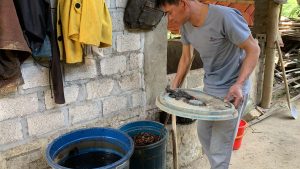
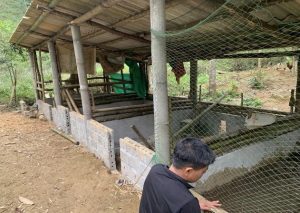
Prior to the project, most households lacked technical knowledge of home-garden design and management. Trees were often planted haphazardly, received minimal care and produced poor-quality fruit that had little or no market value. Through participatory training and hands-on guidance, farmers developed practical skills in agroforestry layout, pruning, soil improvement and intercropping design. They learned to combine perennial fruit trees, such as jujube (Ziziphus mauritiana), crispy persimmon (Diospyros kaki) and guava (Psidium guajava), with annual crops and legumes to improve both productivity and soil health. The survival rate of newly planted fruit trees reached 90%, with several already bearing fruit and expected to generate additional income in the following season (Figures 9 and 10).
The training also transformed farmers’ perceptions of land use. Many participants shifted from subsistence-oriented gardening to a more diversified, market-oriented approach. As one farmer noted, “In the past, we only grew rice and peanuts for sale, but now we use the land around our home to produce many different crops for the market” (P18). This shift reflects an emerging entrepreneurial mindset supported by improved technical capacity.
Through the project’s training activities, farmers enhanced their knowledge and skills in integrated pest and soil management. Participants learned to apply biological and ecological control methods, such as intercropping aromatic plants (garlic and onion) and rotating crops across seasons to disrupt pest cycles. “Since we started rotating crops and mixing with garlic and onions, the pests have reduced significantly,” shared one participant (P1).
Farmers also gained practical experience using effective micro-organisms (EM) and Metarhizium anisopliae to improve soil health and reduce disease incidence. These new practices not only promoted healthier crops but also reduced dependence on chemical inputs. “Previously, we were unaware of soil-borne diseases and did not treat the soil before planting. Since learning to apply lime and biological treatments, our crops are much healthier and require less care,” noted a farmer (P14).
Capacity building also extended to soil fertility management through composting and vermiculture. Before the project, farmers typically applied dried manure directly to crops, leading to odours, nutrient loss and disease. After training, they began using covered composting pits, mixing livestock manure with EM and green materials to accelerate decomposition and produce nutrient-rich organic fertiliser. “Composting now takes only 20–30 days and the product is lighter, cleaner and more fertile,” explained a participant (P11).
Innovative local adaptations emerged as well, such as composting golden snails collected from rice fields.
“Previously, our fertiliser source was limited to cattle manure. However, after training, I ventured into composting golden snails in the fields. This alternative has proven to be an exceptional fertiliser for our crops and vegetables, particularly when augmented with EM products, effectively neutralising any odours. I am delighted to have this supplementary organic fertiliser for our crops, addressing the challenge of organic fertiliser scarcity. I tested the liquid fertiliser on vegetable and rice seedlings and it worked wonders. The plants thrived exceptionally well, displaying remarkable resilience even during cold spells. Materials to make these fertilisers are also very cheap.” (P6, Figure 9)
Vermiculture training further enabled farmers to recycle waste and produce organic feed, thereby reducing livestock costs and earning additional income from worm biomass sales (Figure 10).
3.3.2. Income generation and market potential
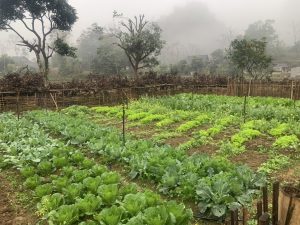
Integrating CSA practices into home gardens initially led to improvements in household income and productivity. Diversity of crops in home gardens contributed an estimated 10% rise in annual income (USD 100–200) through vegetable sales (Figure 11). Likewise, new fruit trees such as jujube (Ziziphus mauritiana), persimmon (Diospyros kaki) and guava (Psidium guajava) are expected to yield up to USD 500 per household from the third year (∼20% of annual income).
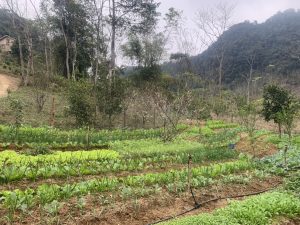
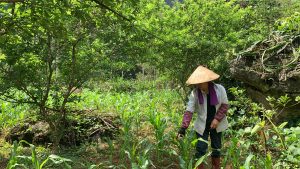
Households also adopted off-season cultivation with short-cycle crops such as H68 sticky corn, which added around USD 200 per season and improved year-round land use (Figure 12). As one farmer noted, “Planting corn between fruit trees gives us extra income and keeps the garden productive even in the dry season.” (P12)
The vermiculture model diversified income sources and reduced costs. Earthworm biomass sales generated USD 100–200 annually, while feeding worms to poultry lowered feed expenses by about USD 300 per 100 chickens. Farmers observed tangible benefits: “The neighbours’ chickens often get sick, but ours stay healthy because they eat worms,” explained one participant (P9).
Although total financial gains remain modest due to the small pilot scale, two-thirds of participating households began selling surplus vegetables locally and to tourists. As one woman shared, “Before, we grew only for our family. Now, we sell to visitors and nearby markets.” (P15)
3.3.3. Improved food availability and dietary diversity
The integration of organic vegetables into home gardens significantly enhanced household food availability and dietary diversity (Table 4). Before the CSA intervention, most gardens were dominated by perennial fruit trees and staple crops, with only 3–4 edible species, primarily wild vegetables such as amaranth (Amaranthus tricolour) and wild gooseberry (Physalis angulata), along with a few root or fruit species like taro and pumpkin.
| Indicator | Before CSA intervention | After CSA intervention | Change / Improvement | Average new income generated/ Positive changes |
|---|---|---|---|---|
| Total edible plant species in garden/household* | 7 species | 21 species | +14 species | 100–200 USD/household (∼10% total annual income). |
| Number of fruit species/households* | 4 species | 7 species | +3 species | Potentially increasing by about 500 USD/household after 3 years (∼20% total annual income). |
| Frequency of vegetable consumption (per week) | 3–4 times | 6–7 times | +2–3 times | Fresh vegetables are available for most daily meals, reducing dependence on forest harvesting. |
| Seasonal food shortages | Common during dry or cold seasons | Rarely reported | Reduced frequency | Improved irrigation and rotation practices ensured year-round vegetable availability. |
| Average time spent collecting wild vegetables/week | 1–2 days | <0.5 day | Reduce 1–1.5 days | Labour time (especially for women). |
| * Species are listed in Appendix B. | ||||
The introduction of diverse Brassicaceae (Cruciferae) vegetables and root crops such as carrot (Daucus carota) and white radish (Raphanus sativus) increased both crop diversity and nutrient availability. These crops are rich in vitamins and minerals, easy to grow and mature quickly, contributing directly to improved household nutrition and resilience to seasonal food shortages.
As one participant shared, “Since we started growing vegetables, our meals have become much more diverse. We always have an abundance of vegetables at home, with a wide variety available throughout the seasons. Previously, we relied heavily on foraging in the forest, but now we no longer need to do so. The vegetables and fruits from our garden serve as food for our livestock if not consumed, reducing the need to purchase animal feed or spend time foraging in the forest for pig and chicken feed. There was even a time when I fell while foraging. Therefore, having a vegetable garden around the house is very convenient, saving time spent in the forest and allowing for immediate use of the produce.” (P8)
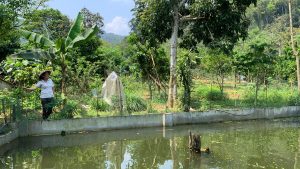
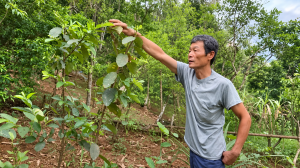
Improved irrigation and organic fertilisation also allowed households to expand vegetable cultivation to nearby fields during the second cropping season, optimising moisture and nutrient use while reducing labour demands. These results highlight that integrating fast-growing, nutrient-rich vegetables into diversified home gardens is an effective strategy for strengthening household food security in upland communities (Figures 13 and 14).
3.3.4. Improved food availability and dietary diversity
Households also reveal enhanced practices learned and applied in pest management, with most farmers reporting significant changes when using biocontrol for pest and disease management. These practices have led to healthier crops, reduced pest infestations and minimised environmental impact.
In terms of pest and disease control, we have implemented intercropping techniques with aromatic plants such as garlic and onions, along with crop rotation across different seasons on the same plot. These strategies have significantly diminished the occurrence of specific pests(P1).
Previously, we were unaware of the prevalence of soil-borne diseases and therefore neglected to treat the soil with lime and biological fungicides before planting. Since adopting this approach, our crops have experienced improved health. Additionally, employing micro-organism products has rendered our crops less susceptible to cracking and black spots, consequently reducing the workload associated with crop care and pest management
(P14, P9)
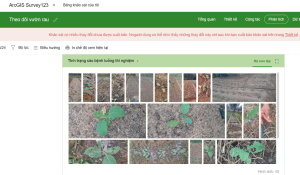
The results from the co-experiment with households via ESRI Survey123 (Figure 15) on the effectiveness of the application of effective micro-organisms (EMUNIC) and the Metarhizium anisopliae in pest and disease control also showed that the kohlrabi plants in the experiment plots grew better and were less susceptible to insects and diseases (Table 5).
| Kohlrabi | Experimental plots | Reference plots |
|---|---|---|
| Number of plants planted | 1050 | 1050 |
| Total area (m2) | 1250 | 1250 |
| Number of plants with leaf-eating insects | 95 | 127 |
| Number of plants with yellow leaf diseases | 48 | 66 |
| Number of households with Kohlrabi plants impacted less than 10% | 17 | 11 |
| Number of households with Kohlrabi impacted 10%–40% | 1 | 7 |
| Weight (g) of Kohlrabi harvested | 380 | 320 |
| Yield (ton/ha) | 21 | 18 |
3.3.5. Labour and time efficiency
Farmers reported substantial time savings and improved water management following the adoption of automated sprinkler irrigation systems. These systems prevented crop dehydration and reduced the need for manual watering, decreasing total water use by approximately 30%. “Before, we had to carry buckets of water to the field every day; now irrigation happens automatically, saving us hours of work,” noted one participant (P11).
The complementary use of straw mulch further enhanced soil moisture retention, reduced irrigation frequency and effectively suppressed weed growth (Figure 16). Together, these water-saving practices lowered labour intensity and improved crop health.
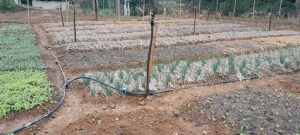
Moreover, by producing sufficient vegetables at home, households reduced the need to forage in nearby forests for livestock feed and wild vegetables. As one farmer explained, “With vegetables grown at home, we no longer spend one or two days a week in the forest collecting plants for pigs and chickens.” (P15). This shift not only saved labour and time, especially for women, but also helped relieve pressure on surrounding forest ecosystems.
3.3.6. Knowledge sharing, social cooperation and digital empowerment
The introduction of digital tools and participatory learning activities led to shifts in how farmers shared knowledge, cooperated and supported one another in adopting CSA practices. Before the project, most households relied on individual experience or informal discussions during community meetings to solve farming problems. Through the project’s CSA digital platform and the ESRI Survey123 mobile application, farmers began to engage more actively in exchanging information, monitoring their own gardens and communicating directly with experts.
Co-monitoring the experiment and documenting progress and results (Figure 17) shaped farmers’ habits of regularly reporting changes in their fields, allowing for timely adjustments, assessments and the selection of best practices tailored to their site conditions.
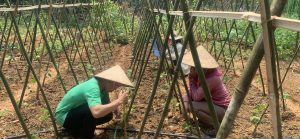
Beyond technical learning, the digital platform fostered stronger social cooperation and peer learning within the community. Farmers used the platform and face-to-face meetings to exchange crops for rotation, discuss planting schedules and share surplus produce. As one farmer noted, “We now talk to each other more about what to plant and when. If we all grow the same vegetables at the same time, it is harder to sell. So now we plan together to grow different ones.” (P11).
This cooperation not only reduced post-harvest waste but also diversified local diets and improved marketing opportunities. Some farmers described becoming “closer” to their neighbours and more united in developing their home gardens. Although the project directly engaged 18 households with established gardens, some participants noted that neighbouring non-participant households had shown interest in adopting similar practices. Informal exchanges of seedlings, composting techniques and pest management methods indicate an emerging spill-over effect within the community, highlighting the project’s potential to foster broader collective learning and engagement.
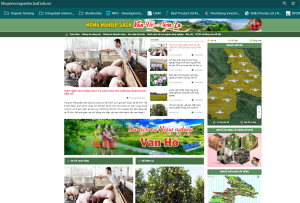
Institutional support ensured sustainability beyond the project’s duration. The Van Ho Commune People’s Committee officially approved the platform and assigned the Centre for Agricultural Services the responsibility of maintaining it (Figure 18). This long-term arrangement guarantees that farmers will continue to access information, receive updates on pests, weather and markets and market their products online.
The integration of digital tools and collaborative learning fostered a stronger sense of community ownership, mutual trust and empowerment. Farmers no longer see themselves as passive beneficiaries but as active contributors to collective knowledge and local innovation. This social transformation, linking digital literacy, cooperation and participatory learning, represents one of the significant outcomes of the CSA project in Van Ho commune.
3.3.7. Challenges and barriers to adoption
Although the CSA pilot brought clear benefits, adoption among households remained uneven due to labour, behavioural and technological constraints.
Labour shortages were mentioned as the most common barrier, particularly during peak farming seasons when family members prioritised rice or maise production. Women, who often managed xhome gardens, found it difficult to balance household duties with new CSA tasks. As one participant noted, “When the rice season comes, I have no time to look after the vegetables.” (P6).
Traditional practices also slowed behavioural change. Some farmers were initially reluctant to replace chemical pesticides or raw manure with biological treatments, believing they were less effective. However, as one farmer shared, “At first, I did not think composting with micro-organisms would work, but after seeing the vegetables grow better, I trust it now.” (P14).
Digital literacy and connectivity issues further limited participation in citizen science monitoring. Older participants often relied on younger relatives to upload photos or data due to weak internet signals and unfamiliarity with the app. “The network is sometimes too weak to send pictures, so I wait until the evening,” explained one farmer (P3).
4. DISCUSSION
The integration of CSA practices in Buot Village demonstrated that combining technical training, participatory experimentation and continuous support can significantly improve farmers’ knowledge, confidence and adaptive capacity. The training enabled participants to redesign their gardens, adopt improved composting, irrigation and pest management techniques and transition from subsistence-oriented to more productive and diversified systems. This reflects the essential role of capacity building in facilitating behavioural change and long-term CSA adoption, as also noted in other smallholder contexts (Ariom et al., 2022; Saran et al., 2024).
Empirical evidence from the project confirmed improvements in food availability, dietary diversity and household income. The integration of vegetables and fruit trees enhanced year-round access to nutritious food and contributed an estimated 10–20% increase in household income, while reducing seasonal food shortages. The adoption of efficient irrigation and straw mulching significantly reduced water use and saved labour, particularly benefiting women, who reported spending less time on manual watering and forest foraging. These findings are consistent with Omotayo et al. (2025), who observed that CSA adoption improves food security and supports gender-responsive outcomes.
Despite these achievements, CSA adoption remained uneven among households due to limited labour availability, technical constraints and entrenched traditional habits. This pattern reflects findings from Kassie et al. (2018), who note that labour and socio-cultural factors influence adoption and Atta-Aidoo et al. (2022), who emphasise socio-psychological and resource-related constraints among smallholders. Experiences in Buot Village suggest that gradual introduction, starting with simple, low-labour practices such as vermiculture composting, efficient watering and mixed cropping, is more effective than rapid implementation of complex methods. This incremental approach, combined with regular monitoring, tailored feedback and market incentives, is essential to sustain engagement and encourage scaling (Mizik, 2021; van Asseldonk et al., 2023).
The integration of citizen science strengthened farmer participation and co-learning, offering clear benefits for CSA adoption. Citizen science approaches have been shown to enhance local ownership of data, build trust in agricultural innovations and accelerate knowledge exchange between farmers and experts (Bonney et al., 2016). In this project, farmers initially faced digital challenges, low smartphone literacy and unstable internet access, similar to barriers reported by Benyei et al. (2023). However, engaging local youth as digital facilitators and data collectors significantly improved participation and reporting accuracy. This experience underscores the value of context-sensitive technology design and co-created monitoring tools that match local capacity, while leveraging community networks to overcome digital divides (UNDP, 2024). Evidence from participatory development literature also suggests that inclusive monitoring systems foster empowerment and adaptive learning, which are critical for scaling CSA practices (Chambers, 2017).
Furthermore, the project fostered stronger social cooperation and peer learning. Households began exchanging seeds, rotating crops to avoid market saturation and coordinating production for local agro-tourism markets. This emerging collective action underscores the value of cooperatives and social networks in sustaining CSA adoption, as they enhance mutual support, market access and community innovation (Novkovic, 2023; Olabanji & Chitakira, 2025).
The project demonstrates that CSA adoption is not solely a technical process but a social, behavioural and institutional one. Scaling such initiatives requires continuous capacity development, supportive policy environments and stronger integration between local cooperatives, extension services and market systems. Policy support should prioritise farmer-led and community-based CSA models that empower smallholders, particularly women, to become active innovators in sustainable agriculture. Embedding citizen science and digital tools within local institutions can further strengthen data-driven decision-making and ensure that CSA implementation remains adaptive, inclusive and resilient in the face of climate change.
5. CONCLUSION
This pilot study illustrates how participatory and community-based approaches can facilitate the adoption of Climate-Smart Agriculture (CSA) practices within smallholder home gardens in upland Vietnam. Through hands-on training, co-experimentation and digital co-monitoring, households improved their knowledge, diversified crops and began applying practices such as organic composting, intercropping and efficient irrigation. These interventions enhanced food availability, dietary diversity and household income while reducing labour burdens, particularly for women. The project also underscored the importance of social cohesion and cooperative structures in sustaining behavioural change and expanding market opportunities. The citizen-science approach fostered local ownership and peer learning, though connectivity and technical support remain areas for improvement. Despite these gains, CSA adoption remained uneven due to labour constraints, limited digital literacy and the persistence of traditional habits. These challenges highlight the need for context-sensitive strategies that begin with simple, low-risk practices and progressively integrate more complex measures alongside continuous mentoring and market linkages.
While this pilot study provides useful insights into the adoption of CSA practices in upland home gardens, several limitations should be noted. Conducted in the single community of Buot Village, Van Ho District, Son La Province, the findings reflect local socioeconomic and climatic conditions that may differ in other regions. The small sample of eighteen purposively selected households enabled close facilitation and learning, but limits statistical generalisation. Results are therefore context-specific rather than broadly representative. Nonetheless, the study offers valuable methodological and practical lessons for scaling CSA adoption in similar mountainous areas. Future research should expand to multiple sites to strengthen evidence for farmer-led, climate-resilient agriculture in upland Vietnam.
6. ACKNOWLEDGEMENT
The authors would like to acknowledge the Asia-Pacific Network for Global Change Research (APN) for fully funding this research through the CAPaBLE project referenced CBA2021-03MY-Truong.