
Remediation of urban water bodies: A multi-country study on community capacity building and communication on nature-based solutions
Keywords
COMMUNITY ENGAGEMENT · FLOATING TREATMENT WETLAND SYSTEM (FTWS) · NATURE-BASED SOLUTIONS (NBS) · URBAN WATER BODIES · WATER REMEDIATION
HIGHLIGHTS
- Investigated FTWS for urban water body remediation in Bangladesh, India and Nepal.
- Canna indica showed superior pollutant removal and high aesthetic value across all regions.
- Field trials showed improvements in water quality parameters, significantly reducing nitrate, orthophosphate and iron levels.
- Capacity building activities promoted knowledge sharing and community support for FTWS.
- Variability in water quality parameters underscores the importance of site-specific FTWS design.
1. INTRODUCTION
Wetlands worldwide face significant environmental challenges, including pollution, habitat loss, and the impacts of climate change. Wetlands are crucial to ecosystems, supporting a diverse range of terrestrial and aquatic plants and animals. They also act as natural water purifiers, help protect against floods, provide natural resources and offer aesthetic and recreational value. Additionally, wetlands hold cultural and religious significance in many regions. However, urbanisation and development projects have increasingly stressed urban wetlands, making them highly susceptible to pollution and encroachment. The construction of concrete structures around lakes for artificial beautification, the discharge of sewage into wetlands and the rapid growth of invasive species have degraded the wetland (Bhattarai, 2015). Additionally, wetlands have experienced significant decline and deterioration due to land use conversion, agricultural and industrial pollution, altered hydrological patterns and human disturbances (Brain & Prosser, 2022; Chakraborty et al., 2023). Ineffective waste management contributes to water pollution, which lowers the water quality well below the critical limit (Bashar, 2012). Water pollution leads to waterborne diseases such as cholera, typhoid, polio, ascariasis, cryptosporidiosis and diarrheal diseases, posing a threat to aquatic life and disrupting ecosystems (UNEP, 2016).
The Ramsar Convention report (Gardner & Finlayson, 2018) indicated that 35% of the world’s wetlands were lost between 1970 and 2015, with annual rates accelerating since 2000. About 80% of freshwater wetlands in South Asia are being degraded by human activities (Rakkasagi & Goyal, 2025). In Nepal, wetlands are declining, signalling the need for effective policies, programmes and institutional arrangements for conservation and management (Thagunna et al., 2022). The wetlands of the fringe area of Dhaka, Bangladesh, have decreased from 28.22% in 1989 to 12.98% in 2022 (Ullah et al., 2024). While in India, wetlands are highly vulnerable due to rapid urbanisation and agricultural runoff, leading to severe contamination and biodiversity loss (Sharma et al., 2021). A study by Kundu et al. (2024) revealed alarming annual wetland degradation rates ranging from 0.02% to 3.14%, driven by urban expansion, agricultural activities, climate change and pollution. Countries with lower development indices exhibit the highest rates of wetland degradation, driven by these factors.
Nature-based Solutions (NbS), such as the FTWS, have emerged as effective strategies to mitigate these wetland issues. FTWS is an environmentally friendly and cost-effective technology for the remediation of polluted water (Shahid et al., 2018). FTWS are constructed using locally and commercially available materials (such as polyester sheets, PVC pipes, coconut coir and bamboo sticks) (Faulwetter et al., 2011; Gao et al., 2017; Rehman et al., 2019). Therefore, they are used for their economic, environmental and ecological benefits, ease of maintenance, and minimal secondary pollution (Stefani et al., 2011).
Floatable raft materials, such as mats, foam, coconut peat, bamboo and artificial matrices such as Biohaven, could be used to enhance the buoyancy of FTWS (Bista et al., 2025). Different phytoremediation plants are inserted into floating mats, with their roots suspended in the water column (Stefani et al., 2011). The roots, shoots, rhizomes and biofilms formed in the roots after installation have a major role in FTWS. The floating roots of aquatic plants form a dense biofilm and play an important role in remediating polluted water. The biofilm provides a habitat for diverse bacterial communities, supporting nutrient absorption from water through nitrogen removal, retaining phosphorus, reducing water flow and trapping suspended solid particles (Bista et al., 2025). Proper maintenance of the FTWS, including timely replacement of dead plants from the floating rafts, can minimise maintenance needs and enhance the durability of the rafts (Mfarrej et al., 2023).
As per the study of Nichols et al. (2016), in Australia, an urban catchment showed a reduction of Total Phosphorous (TP), and 17% for Total Nitrogen (TN), for 53% and 17%, respectively, for an FTWS footprint of 0.14% of the contributing catchment. An experimental use of FTWS by Jones et al. (2017) indicated a drastic reduction in phytoplankton growth and an 80% reduction in chlorophyll concentration. According to studies on crude oil-contaminated water, reductions in BOD were 59% (Ladislas et al., 2015) and in Chemical Oxygen Demand (COD) were 76% (Chen et al., 2016). It is reported that using Canna on FTWS results in 50.4% TN reduction, 22.4% nitrate nitrogen reduction, 5.3% nitrite nitrogen reduction, and 39.9% COD reduction within 5 days of use (Sun et al., 2009). The study by Suganya & Sebastian (2017) also shows that Canna indica has higher pollutant removal efficiency: 68% for BOD, 61.8% for COD, 71.7% for Total Dissolved Solids (TDS), and 73.3% for Total Suspended Solids (TSS).
The FTWS presents various success stories in pollutant removal, but most studies focus on pilot and laboratory levels rather than practical implementation in real-world environments. This is because scaling the bench study to realistic conditions in actual water sources, such as lakes and rivers, is challenging yet necessary. Additionally, there needs to be more studies on the nutrient uptake capacity of plants (Bista et al., 2025). Despite the importance of wetlands and the evident degradation, low-cost, locally adaptable strategies to restore water bodies are limited. In Nepal, no studies have applied FTWS to improve urban water bodies, nor have any used Tradescantia pallida and Salvia splendens plants. Further, there is a lack of cross-country studies using a consistent experimental framework for microcosm studies, field studies and capacity building. This gap raises questions about scalability, replicability and effective dissemination of a low-cost FTWS approach. By applying the same framework in multiple countries, this study aims to compare the results in diverse climate and urban settings by conducting the microcosm study, a field-level study of the rafts installation in urban lakes, and community capacity enhancement through engagement and advocacy. The research, therefore, raises and addresses major questions: Can FTWS provide effective and scalable remediation across different urban wetlands following a common approach framework? Which plant species are most efficient for nutrient removal and ecosystem support? Furthermore, how feasible is this approach for adoption using readily available materials?
2. METHODOLOGY
2.1. Study Area
This study was conducted in three South Asian countries: Bangladesh, India and Nepal (Figure 1).
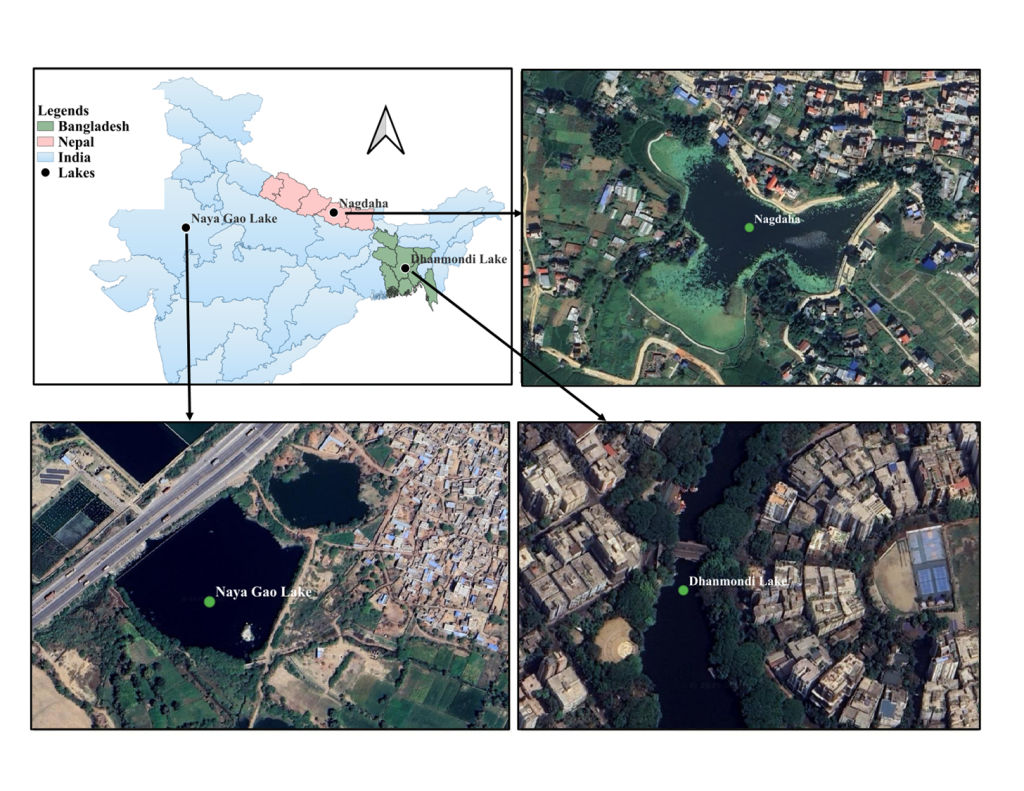
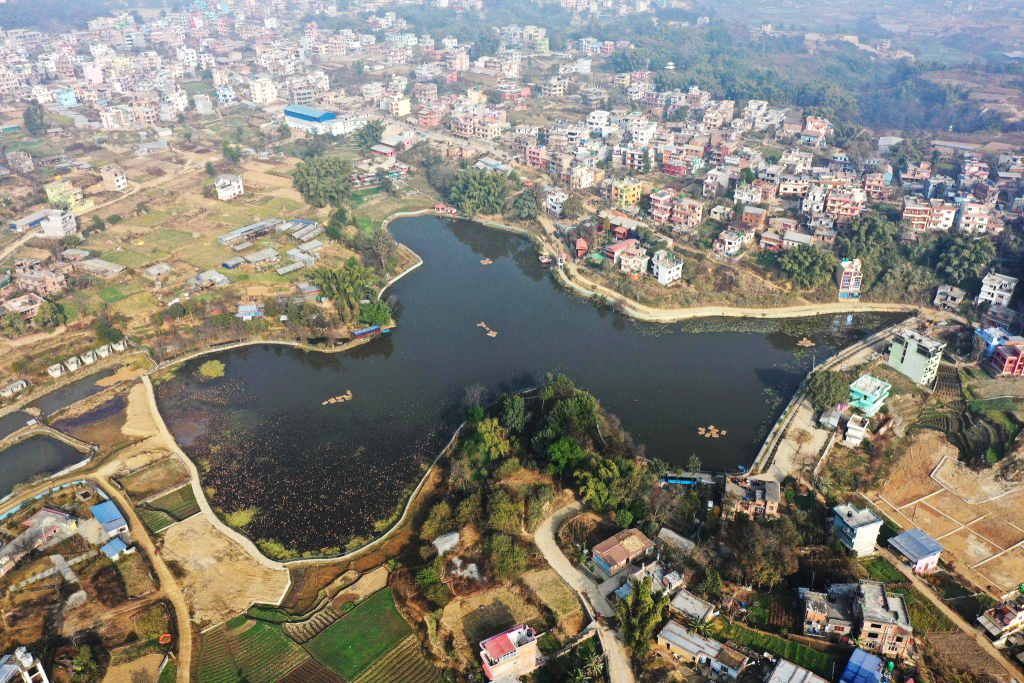
Nepal: The study focused on Nagdaha, located at 27°37′53″ N and 85°20′2.8″ E, with an altitude of 1340 m (Figure 2). The lake spans 25,080.68 square metres, with some literature citing an area of 26,500 square metres (Magar & Khatry, 2017). Nagdaha holds historical and cultural significance and is a popular destination for domestic tourists in the Kathmandu Valley. The lake supports diverse biodiversity, including fish, snakes, macrophytes and birds.
India: The study was conducted at Nayagaon Pond, Kishangarh (26°34′32″ N, 74°53′59″ E), covering an area of 34,521 m2. The pond, like many urban water resources, is subject to contamination from urbanisation, domestic and industrial waste discharge and agricultural practices. These factors, along with issues related to solid waste disposal and drainage, significantly degrade water quality in Kishangarh.
Bangladesh: The study in Bangladesh was conducted at Dhanmondi Lake in Dhaka, situated at 23°43′ N and 90°26′ E. The lake, covering 37.37 hectares with a maximum depth of 4.77 m (Banglapedia, 2021), plays a crucial role in the drainage system of the Dhanmondi residential area and its surrounding regions.
2.2. Data collection and analysis
Primary data were collected through a microcosm field-scale study in the lakes, which involved water quality testing in laboratory settings. Secondary data were obtained from research articles and books.
2.2.1. Microcosm study
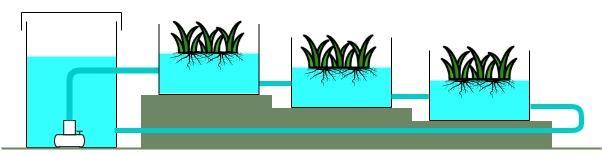
The microcosm study was conducted in greenhouse-type setups across Bangladesh, India, and Nepal from August to October 2022. Water samples were collected from each location to simulate a microcosm setup in controlled environments. The experiments were conducted using a randomised complete block design, with three replicates for each treatment and an untreated control group. The microcosm study was conducted using a controlled experimental design comprising nine treatment units (T1–T9), including polluted water controls, raft-only controls, and plant-based treatment combinations. As shown in Figure 3, each treatment unit was conducted in triplicate, resulting in a total of 27 independent microcosm units. The experimental setup enabled systematic comparison of individual and combined plant species for FTWS performance under uniform conditions, as detailed in Table 1. In each country, three native plant species were individually assessed for their remediation performance, chosen based on their climatic suitability, tolerance to nutrient-rich waters, and local availability. The plants selected for Nepal were Tradescantia pallida, Canna indica and Salvia splendens; for India, Canna indica, Cyperus alternifolius and Tradescantia pallida; and for Bangladesh, Carex, Cyperus and Canna.
| Treatment | Microcosms particulars |
|---|---|
| T1 | Polluted water |
| T2 | Polluted water float raft |
| T3 | Polluted water + float raft + Canna Indica |
| T4 | Polluted water + float raft + Cyperus alternifolius |
| T5 | Polluted water + float raft + Tradescantia pallida |
| T6 | Polluted water + float raft + Canna Indica+ Cyperus alternifolius |
| T7 | Polluted water + float raft + Canna Indica+ Tradescantia pallida |
| T8 | Polluted water + float raft + Cyperus alternifolius+ Tradescantia pallida |
| T9 | Polluted water + float raft + Canna Indica+ Cyperus alternifolius + Tradescantia pallida |
System effectiveness was assessed using pollutant removal efficiency, plant survival and physicochemical parameters such as pH, temperature, Electrical Conductivity (EC), TDS, Dissolved Oxygen (DO), BOD, nitrate, ammonia and orthophosphate, which were monitored once every two-week interval following standard water and wastewater examination methods (APHA, 2017). Based on the results of the microcosm experiments, plant species exhibiting higher remediation efficiency and survival were selected for a subsequent field-scale trial.
2.2.2. Raft installation
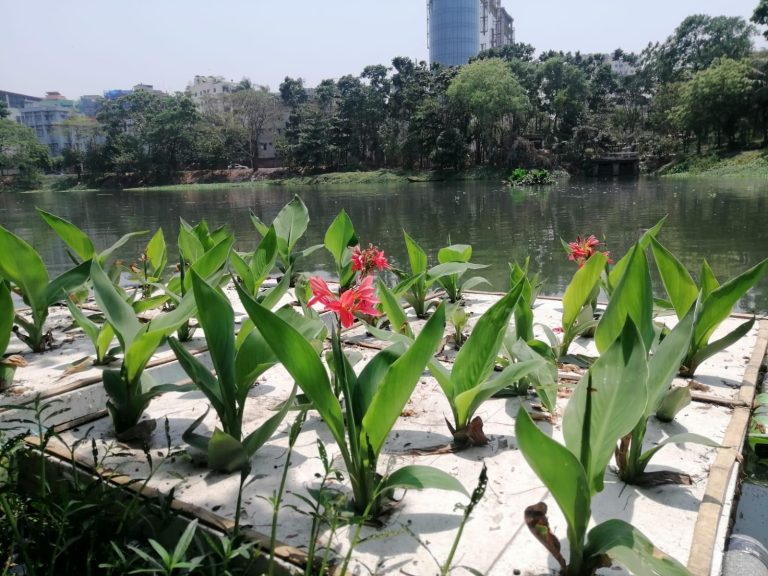
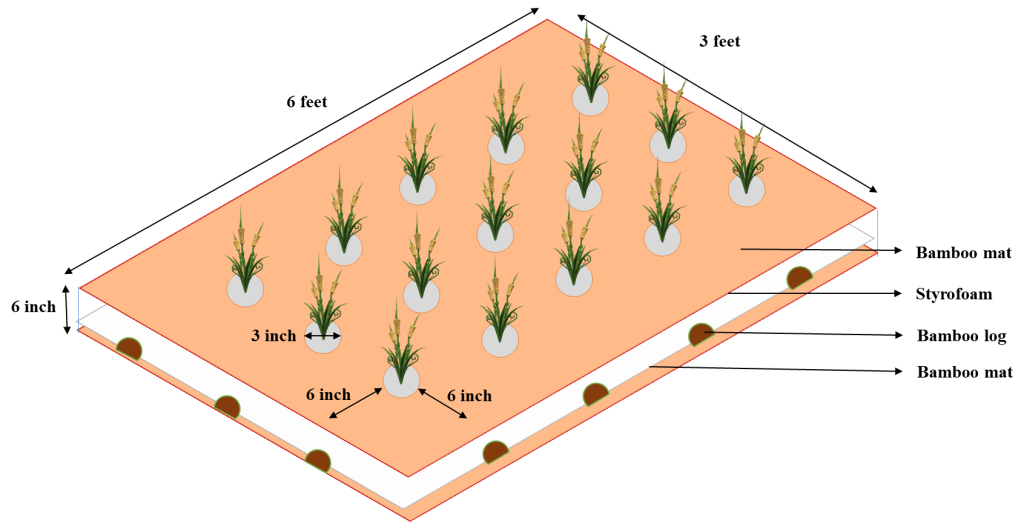
Floating treatment rafts were constructed using locally available materials, i.e., bamboo supporting frames, bamboo mats and styrofoam sheets as flotation material (see Figure 4). Each raft measured approximately 1.0 × 0.8 m and contained 15 plants arranged in a grid pattern with 6-inch spacing between adjacent plants to ensure optimal root spread and water contact. Depending on the size of the water body, 10–15 rafts were deployed per site (Figure 5).
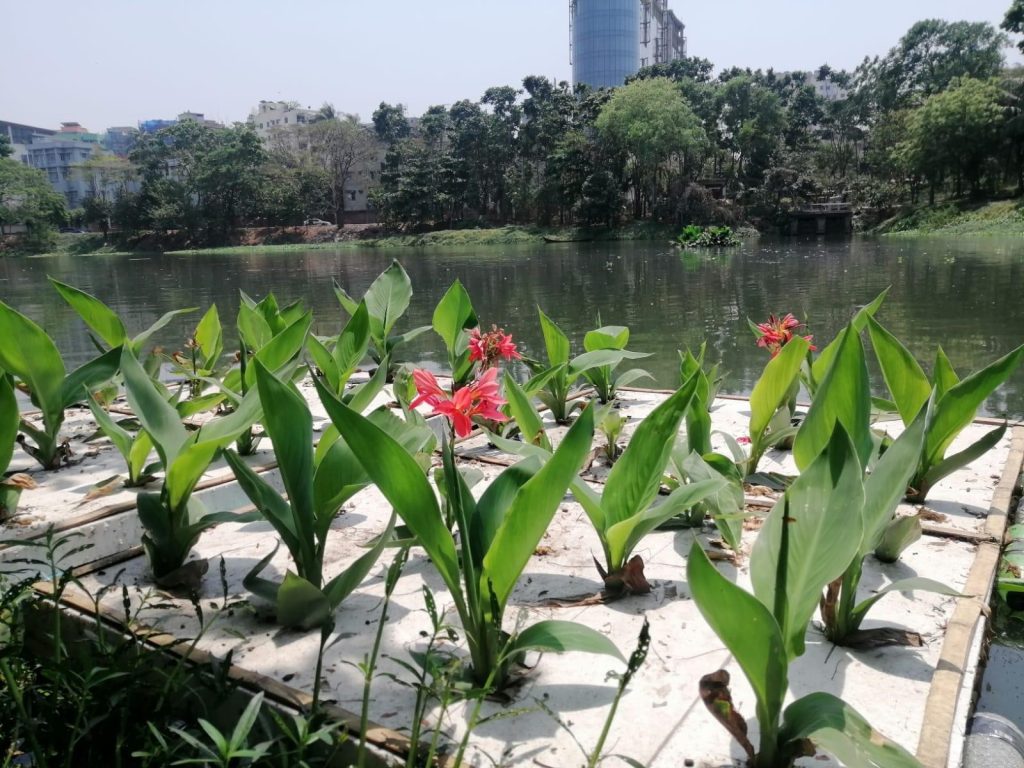
Raft installation and maintenance were carried out in consultation with local government bodies, community members and youth clubs. The rafts were monitored monthly to ensure proper maintenance, structural stability and effectiveness in water remediation. Moreover, water samples were collected at regular weekly intervals during the study period from specific locations within each lake/pond. These locations included the inlet zone, the area near the floating treatment rafts and the outlet zone. The use of low-cost, locally available materials and community-led monthly maintenance enhances the long-term sustainability and scalability of the floating treatment rafts for urban water remediation.
2.2.3. Statistical analysis
The concentration and percentage reduction relative to the initial and final tests were determined. The data were also analysed for normal distribution using the Shapiro-Wilk test. For normally distributed data, variance equality was checked using Levene’s test, followed by Welch’s ANOVA and t-tests for comparisons.
2.2.4. Capacity building and communications
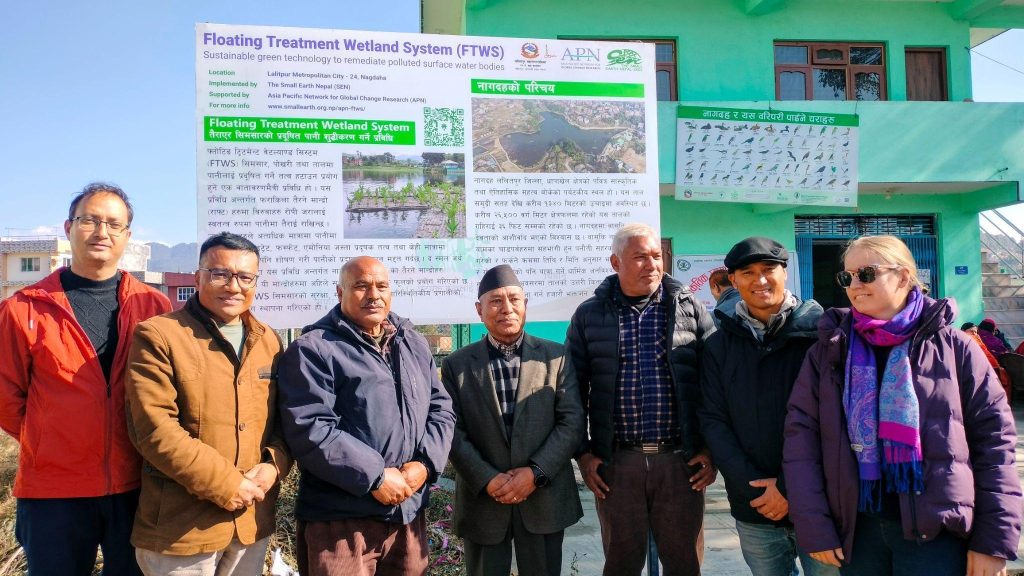
The FTWS technology was introduced to local communities and stakeholders as an NbS. The project engaged student volunteers, research graduates and community members in various activities, including raft construction, deployment and workshops. Training sessions were conducted to educate participants on water quality analysis and the benefits of FTWS. The project also utilised Science, Technology, Society and Communication (STSC) approaches to connect scientific research with community engagement, including the installation of project boards (Figure 6), radio programmes, and the dissemination of guidebooks and policy briefs. In addition, the project was communicated to researchers, scientists and a larger audience through presentations at national and international programmes and conferences.
3. RESULTS AND DISCUSSIONS
3.1. Microcosm study
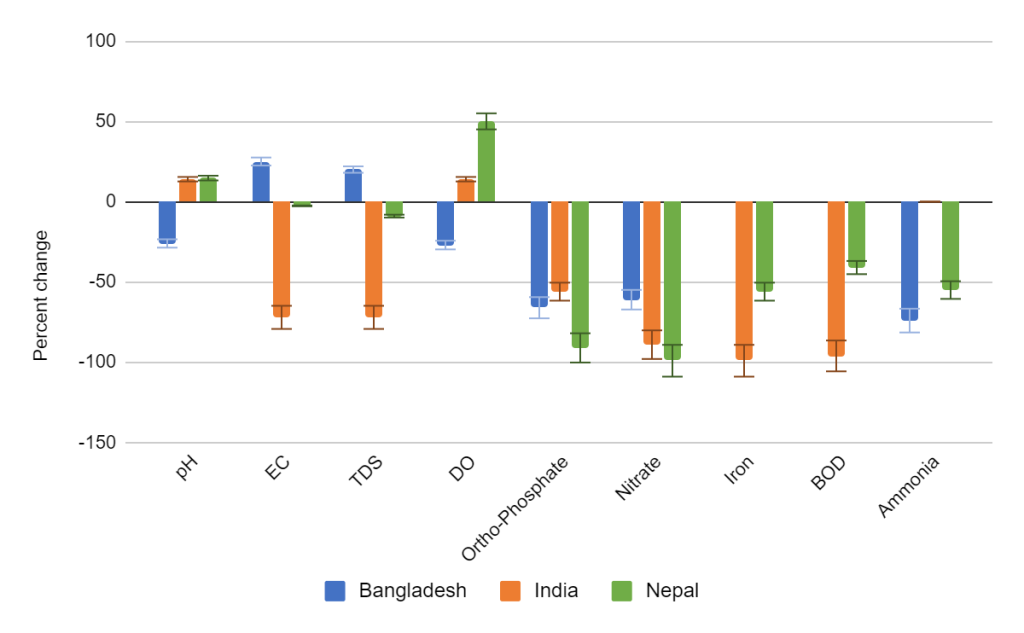
In Figure 7, the blue bars represent the results from Bangladesh, the orange bars from India and the green bars from Nepal. Each set of bars corresponds to specific parameters, such as TDS, EC, orthophosphate, nitrate, iron, ammonia, BOD and DO, highlighting the differences in the remediation effectiveness of FTWS across countries. The negative bars indicate a decrease in nutrient concentration, while the positive bars indicate an increase in nutrient content in water.
The microcosm study across Nagdaha (Nepal), Nayagaon Talai (India) and Dhanmondi Lake (Bangladesh) revealed significant improvements in water quality parameters, although regional variations were observed.
Water quality improvement Overall, FTWS resulted in a net improvement in water quality across the three countries, as reflected by reductions in EC, TDS, orthophosphate, nitrate, iron, ammonia, and BOD, accompanied by improvements in DO (Figure 7). Values are expressed as percent change relative to initial concentrations, with negative values indicating a reduction.
EC declined substantially in India (72%) and decreased in Nepal (2.6%), whereas a moderate increase (25%) was observed in Bangladesh. This increase may reflect site-specific ionic inputs, limited plant establishment and lower nutrient uptake efficiency under local hydrodynamic conditions. Similarly, TDS decreased markedly in India (72%) and decreased in Nepal (9%). In comparison, a 20% increase was observed in Bangladesh. This may be attributed to external dissolved solid inputs, upstream flow changes, human activity (since this lake is situated in an urban settlement), hydrodynamic disturbances and resuspension under floating raft conditions rather than FTWS inefficiency alone (Ferdous et al., 2019; Tirpak et al., 2022; Yan et al., 2020).
DO levels improved in India (14%) and Nepal (50%), indicating enhanced aeration and microbial activity, possibly driven by plant-mediated oxygen transport and microbial metabolism in the rhizosphere (Wu et al., 2019). In constructed wetlands, macrophytes release oxygen from roots into the rhizosphere, creating localised aerobic zones that stimulate aerobic heterotrophs and nitrifiers; most DO in vertical-flow systems, however, is supplied by air diffusion, with plants enhancing distribution and microbial stratification (Liu et al., 2016). A decline in Bangladesh is attributed to restricted air-water exchange, high oxygen demand due to severe contamination and reduced photosynthetic contribution from vegetation (Maier et al., 2025). Nutrient removal showed consistently strong performance across all sites, with orthophosphate reductions of 66% (Bangladesh), 56% (India) and 91% (Nepal), and nitrate reductions of 61%, 89% and 99%, respectively. These reductions are consistent with nutrient uptake by macrophytes, microbial assimilation and enhanced nitrification-denitrification processes within the root zone (Kumar et al., 2025).
Substantial removal of iron was observed in India (99%) and Nepal (56%), likely facilitated by plant uptake, adsorption onto root biofilms, and sedimentation of particulate iron species (Bista et al., 2025). Oxidation and precipitation of Fe(II) to insoluble ferric hydroxides/oxides that then settle or are trapped in biofilms and sediments, leading to Fe reduction (Plaimart et al., 2024). Ammonia concentrations declined sharply, with reductions of 74% in Bangladesh and 55% in Nepal. By the end of the study, ammonia levels in India were below detection limits. Ammonia removal can be attributed to plant assimilation and microbial nitrification, which are supported by improved oxygen availability (Lami et al., 2021). Organic pollution indicators also improved markedly, with BOD decreasing by 96% in India and 41% in Nepal, demonstrating effective reduction of biodegradable organic matter. This reduction reflects enhanced microbial degradation promoted by increased surface area and oxygen transfer within the FTWS matrix.
Collectively, these findings demonstrate that FTWS can significantly reduce nutrient and organic pollution loads under controlled conditions. However, performance varied across countries due to differences in plant establishment, pollutant loading, hydrological conditions and climatic influences. A one-way analysis of variance (ANOVA) revealed significant treatment effects for most water quality parameters (p < 0.05), although the magnitude of response varied across study locations. A cross-country comparison indicates that Nepal and India exhibited higher overall remediation efficiency than Bangladesh, particularly in nutrient removal and DO enhancement, underscoring the importance of site-specific optimisation in FTWS applications.
Plant performance
- In Bangladesh, Cyperus alternifolius and Canna indica, either alone or in combination with Carex, showed substantial efficiency in removing orthophosphate and ammonia. Notably, Cyperus alternifolius alone achieved a 96.25% reduction in ammonia, and a combination of Cyperus alternifolius with other species yielded a 94% reduction. Carexdisplayed a significant reduction in nitrate concentration (92.5%), making it highly effective when paired with Canna indica.
- In Nepal, Canna indica and Tradescantia pallida were initially tested, with Tradescantia pallida being particularly effective in reducing ammonia and iron concentrations. The combination of these plants also significantly reduced nitrate levels, with Canna indica showing additional benefits, including increased DO and reduced BOD. However, due to the invasive nature of Tradescantia pallida, only Canna indica was selected for field application, where it was combined with Salvia splendens. Despite the low survival rate of Salvia splendens, Canna indica proved highly resilient and aesthetically pleasing, making it the preferred choice for the FTWS.
- In India, both Canna indica and Cyperus alternifolius were effective in reducing EC, TDS, nitrate, phosphate, iron and BOD in monoculture experiments. The mixed culture experiment involving these two species also performed well, with Canna indica and Cyperus alternifolius contributing significantly to nutrient uptake and improvements in water quality.
Overall, Canna indica emerged as the most effective species across all three countries due to its high nutrient uptake, vigorous growth and aesthetic appeal, making it an ideal candidate for FTWS.
3.2. Raft installation study
Results from the microcosm experiments were used to select plant species and configuration for subsequent field trials. Plant species demonstrating superior nutrient uptake, organic matter reduction, and DO enhancement under controlled microcosm conditions, particularly Canna indica and Cyperus alternifolius, were prioritised for raft installation in field trials. The raft installation study evaluated the effectiveness of FTWS in real-world conditions across three selected water bodies: Dhanmondi Lake (Bangladesh), Nayagaon Talai (India), and Nagdaha Lake (Nepal). Field performance was assessed for 4-5 months through repeated monitoring of physicochemical water quality indicators to capture temporal trends following FTWS installation. Water quality was tested once every 15 days, then increased to once every 30 days. The field trials validated microcosm-derived performance trends, with consistent reductions in nitrate, orthophosphate and BOD observed across sites, although absolute removal efficiencies varied due to differences in hydrology, pollutant loading and climatic conditions. This stepwise microcosm-to-field approach ensured mechanistic relevance while allowing assessment of FTWS robustness under realistic environmental constraints.
3.2.1. Dhanmondi lake, Bangladesh
In Figure 8, each bar represents a specific parameter, with DO in blue, nitrate in red, ammonia in yellow, phosphate in green, TDS in sky blue and EC in black. Due to the relatively lower TDS values, these are highlighted with numerical values within the green (phosphate) portion of the bars. A negative value indicates a decrease in nutrient concentration, while a positive value indicates an increase in nutrient content in water.
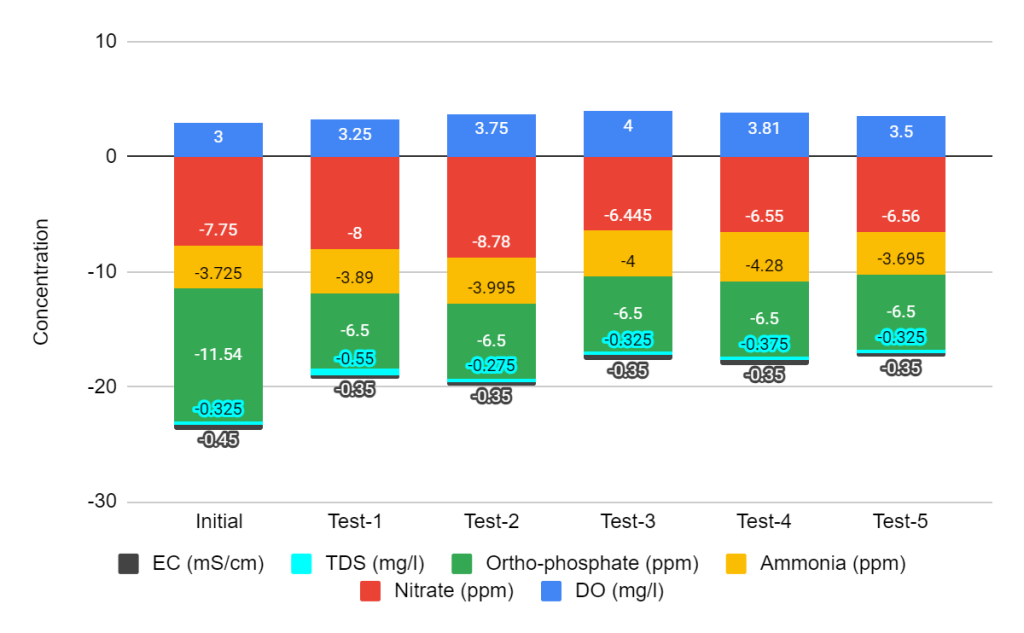
The comprehensive analysis of various parameters in Dhanmondi Lake (Figure 8) offers a nuanced understanding of its water quality dynamics and the overall health of its ecosystem over time. Among the parameters studied, DO levels serve as a critical indicator of the lake’s capacity to support aquatic life (Jankowski et al., 2021). Throughout the monitoring period, DO levels remained relatively stable, indicating a generally healthy environment conducive to the survival and flourishing of diverse aquatic organisms. However, minor temperature fluctuations were observed, underscoring the importance of considering seasonal variations and their potential impacts on the lake’s ecological processes and species composition.
EC and TDS fluctuated, indicating changes in dissolved ion and solid concentrations. These variations may reflect the influence of factors such as precipitation patterns, land use changes, and inputs from surrounding urban areas (Bojarczuk & Biernacka, 2025).
Nitrate levels displayed some variability over time, possibly influenced by factors such as agricultural runoff and wastewater discharge (Wang et al., 2024). Similarly, fluctuations in orthophosphate levels suggest changes in nutrient inputs and cycling within the lake ecosystem. The consistent levels of ammonia, however, point towards a stable concentration of this nitrogenous compound in the water column.
The observed temporal changes across these parameters underscore the dynamic nature of Dhanmondi Lake and the complex interplay of various environmental factors shaping its water quality. Continued and comprehensive monitoring of these parameters is imperative for identifying long-term trends, assessing potential stressors, and implementing effective management strategies to preserve and enhance the water quality and ecological integrity of Dhanmondi Lake for future generations. The results highlighted the dynamic nature of Dhanmondi Lake’s water quality and underscored the need for ongoing monitoring to manage nutrient inputs effectively. Overall, the results from Dhanmondi Lake highlight the moderate and variable performance of FTWS in a highly urbanised system. The effectiveness of nutrient removal appears constrained by high external loading, limited plant establishment, and restricted water-air interaction within the floating raft system. These findings underscore the need for integrated catchment-level management alongside FTWS deployment to achieve sustained improvements in water quality.
3.2.2. Naya Gaon Talai, India
In Figure 9, each coloured bar represents the values for specific parameters: blue for DO, red for nitrate, yellow for ammonia, green for phosphate and purple for iron. Since the concentrations of phosphate, ammonia and nitrate are comparatively lower, their values are highlighted and displayed at the top of the corresponding sections of the bars representing other parameters. A negative value indicates a decrease in nutrient concentration, while a positive value indicates an increase in nutrient content in water.
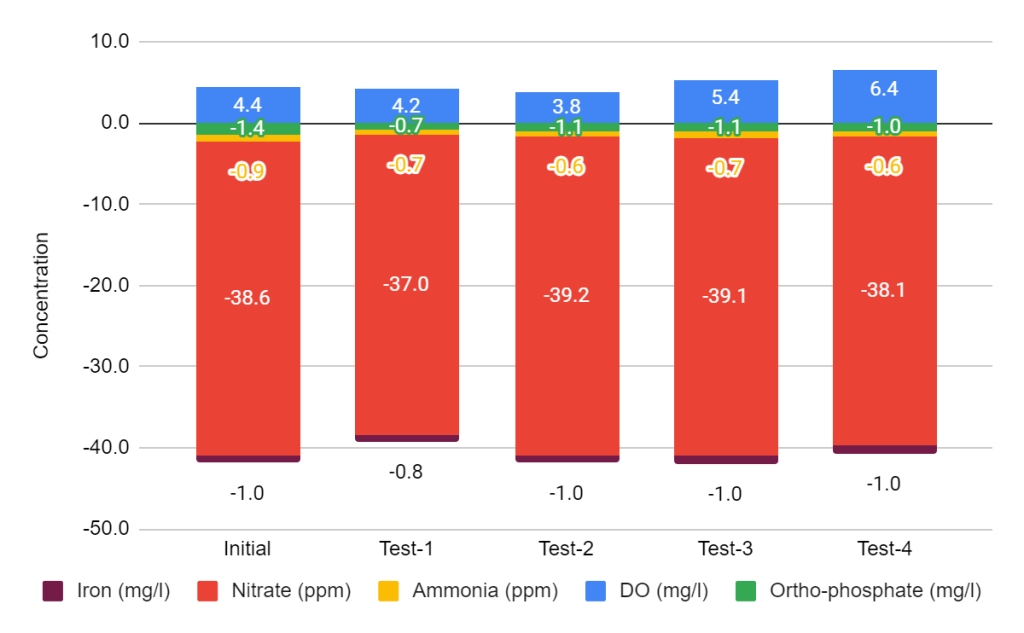
The variation in physico-chemical parameters of water samples taken from Nayagaon Talai, Kishangarh, was monitored at 15-day intervals over 60 days following the installation of the FTWS. After the FTWS installation, no significant changes were observed in the pH of the water samples from all selected sampling locations, which maintained the natural pH of the water body between 7.8 and 8.5, indicating that the FTWS deployment did not alter the natural buffering capacity of the water body. Throughout the sampling locations, there was a gradual decrease in TDS from above 1000 ppm to 900 ppm over a consecutive 45-day period. Although the change was minimal, it was noticeable within a short timeframe. TDS often decreases when inflow is cleaner or more dilute, or when high-TDS sources are temporarily reduced (N’kaya et al., 2020). However, after 60 days, an increase in TDS was observed due to wastewater inflow from the nearby STP into Nayagaon Talai (Iloms et al., 2020).
A notable reduction in BOD and COD values was observed, signifying the efficacy of BOD and COD removal after installing the floating raft system in the selected water body (Figure 9). Statistical analysis confirmed significant reductions in BOD and COD over time (ANOVA, p < 0.05), demonstrating effective removal of biodegradable organic matter. These reductions are attributed to enhanced microbial degradation supported by plant root surfaces and improved oxygen availability within the FTWS (Afzal et al., 2019; Park et al., 2019). A similar trend of BOD and COD reduction was observed in a study conducted by Čule et al. (2022) using FTWS in a surface water body. Despite the installation of FTWS, ammonia levels in the water increased after 60 days, suggesting recent deposition of organic and inorganic waste from anthropogenic activities, including septic waste. Nitrate levels decreased from 55 mg/L in samples within 60 days, demonstrating the high efficiency of FTWS in eliminating nitrates from the water matrices. Likely resulted from combined plant uptake and microbial nitrification-denitrification processes in the rhizosphere (Choudhury et al., 2024; Luca et al., 2018).
For most locations, phosphate levels decreased from 1.4 mg/L to 0.1 mg/L after 60 days, likely attributed to plant uptake, sorption/precipitation to substrates/sediments and microbial conversion (Spangler et al., 2019). However, some locations showed fluctuations in phosphate levels, possibly due to the addition of effluent waste from various sources. In ponds and lakes, the presence of field FTWS indicates a notable decrease in phosphate levels, with its influence being significant. However, in areas where various external phosphorus sources, such as runoff, internal loading, and inflows, prevail, the trends appear weak or inconsistent (Dalsgaard et al., 2021; Kadlec, 2016). Although the iron concentration decreased to some extent after the installation of FTWS, the frequent fluctuations in iron levels over consecutive time intervals may be attributed to the dissolution of iron from waste into the Nayagaon Talai water body (Bista et al., 2025). Collectively, these results indicate that FTWS significantly improved organic and nutrient water quality parameters in Nayagaon Talai, though system performance remained sensitive to external wastewater inflows and seasonal variability.
3.2.3. Nagdaha, Nepal
In Figure 10, each bar is colour-coded to represent specific parameters: blue for DO, red for nitrate, yellow for ammonia, green for phosphate, sky blue for TDS and black for EC. Due to the relatively lower TDS values, these are highlighted and overlaid on the green phosphate section for clarity. A negative value indicates a decrease in nutrient concentration, while a positive value indicates an increase in nutrient content in water.
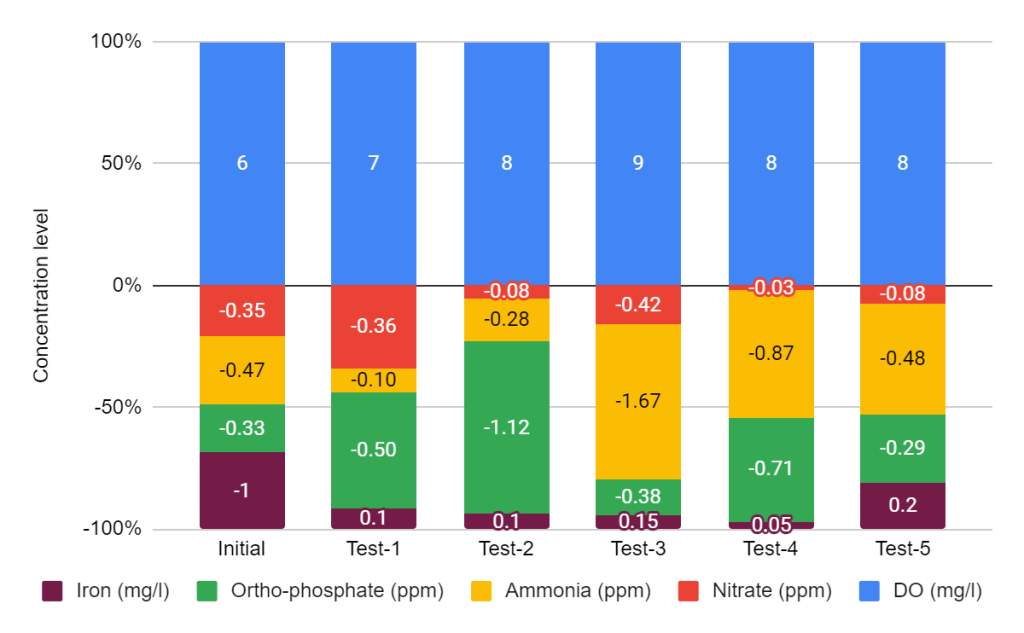
The study in Nepal was conducted for four months, from December 23, 2022, following the installation of the rafts on December 20, 2022. The samples were tested twice a month initially from the nearest position of the installed rafts. The DO of the lake water has been found to increase by 6 mg/L to 8 mg/L (Figure 10). This increase was statistically significant (ANOVA, p < 0.05), indicating enhanced oxygenation likely driven by plant-mediated oxygen transfer and increased photosynthetic activity (Ni et al., 2021). A previous study on duckweed mats, conducted by Sender and Różańska-Boczula (2024), showed that their presence significantly increased dissolved oxygen levels relative to controls, with clear links to light, atmospheric pressure and plant growth. The concentrations of nitrate, orthophosphate and iron have decreased from their initial values in most tests, while in some tests, they have increased. This is due to the addition of pollutants through the inlet water. In comparison to the inlet concentration, the maximum nitrate reduction was found to be 94%, the maximum iron reduction was found to be 95% and the maximum ammonia reduction was 68%.
Nutrient removal mechanisms in Nagdaha Lake likely involved synergistic effects of plant uptake, microbial assimilation, biofilm formation on root surfaces and sedimentation processes (Choudhury et al., 2024). The Nagdaha study highlighted the effectiveness of FTWS in reducing nutrient levels, although external factors such as inlet water quality influenced the results.
Overall, the raft installation studies in the three countries demonstrated the potential of FTWS as a nature-based solution for improving water quality. However, the effectiveness of the system varied depending on local environmental conditions, pollutant loads and the plant species used. Continued monitoring and adaptive management are essential to optimise the performance of FTWS in different contexts.
3.2.4. Cross-Country comparison
Across the three study countries (Table 2), FTWS demonstrated consistent reductions in nutrient and organic load, with performance modulated by site-specific environmental conditions. Nepal showed the highest overall treatment efficiency, achieving the highest reductions in nitrate (up to 99%), orthophosphate (up to 91%) and iron (up to 99%), accompanied by a significant increase in dissolved oxygen. India exhibited significant reductions in organic pollution (BOD up to 96%) and dissolved solids (TDS and EC up to 72%), although treatment efficiency declined with increased wastewater inflow. Bangladesh displayed comparatively variable performance, characterised by stable dissolved oxygen but limited or inconsistent reductions in EC and TDS, reflecting high external pollutant loading and constrained plant establishment. Collectively, these results indicate that the effectiveness of FTWS is highest in systems with controlled inflow conditions and moderate nutrient loading, while heavily urbanised water bodies require complementary source-control measures to sustain treatment performance.
| Parameter / Indicator | Bangladesh | India | Nepal |
|---|---|---|---|
| Study water body | Dhanmondi Lake (urban lake) | Nayagaon Talai (peri-urban pond) | Nagdaha Lake (semi-urban lake) |
| Microcosm nutrient removal | Moderate nitrate (61%) and orthophosphate (66%) reduction; variable EC/TDS trends | High nitrate (89%) and orthophosphate (56%) reduction; strong EC and TDS decline (72%) | Very high nitrate (99%) and orthophosphate (91%) reduction |
| Organic load reduction (BOD) | Limited improvement | Strong reduction (up to 96%) | Moderate reduction (up to 41%) |
| Dissolved oxygen (DO) | Stable or slightly decreased under raft cover | Moderate increase (∼14%) | Substantial increase (∼50%) |
| Metal removal (Iron) | Not pronounced | Very high removal (∼99%) | High removal (∼56%) |
| Ammonia removal | Moderate (up to 74%) | Below detection limit at study end | Very high (up to 55%) |
| Field performance stability | Variable, influenced by urban runoff and external pollutant inputs | Moderate, affected by intermittent wastewater inflow | High, relatively stable inflow conditions |
| Plant establishment success | Moderate, limited biomass development | Good, mixed cultures performed well | Excellent, Canna indica showed high survival and growth |
| Overall FTWS effectiveness | Moderate and site-limited | High but load-dependent | Highest and most consistent |
| Key limiting factors | High pollutant loading, urban inflows | Wastewater discharge, fluctuating loads | Inlet water variability |
| Management implication | Requires source control and longer acclimation | Effective with inflow regulation | Highly suitable for upscaling FTWS |
3.3. Capacity building and communication
The project implemented extensive capacity building initiatives across all three participating countries, focusing on enhancing knowledge related to research concepts, water quality testing, analysis and data management. Workshops and training sessions were conducted to equip diverse audiences with essential skills. Early career researchers received hands-on training in water sampling, laboratory procedures, analysis, raft preparation and installation. Graduate students were actively involved in research activities, gaining valuable field experience, including coordinating and communicating with communities, stakeholders and national and international collaborators, which strengthened data collection.
In Nepal, activities included a community survey and a Wetland Day celebration, both aimed at raising awareness and engaging with the local community about FTWS technology. Fifteen volunteers were trained and oriented on FTWS and played a crucial role in raft preparation and conducting community surveys.
Community engagement was central to the project, significantly raising awareness and mobilising support for innovative water pollution solutions. The success of the FTWS community, policy and final sharing workshops highlighted the importance of grassroots initiatives in promoting sustainable environmental practices. A community and policy workshop was held to disseminate information on FTWS and its effectiveness, directly benefiting 557 participants from Nepal, India and Bangladesh. Attendees included representatives from local government wards, women’s groups, youth groups, and community members (Figure 11). This enhanced the understanding of nature-based solutions for water remediation.
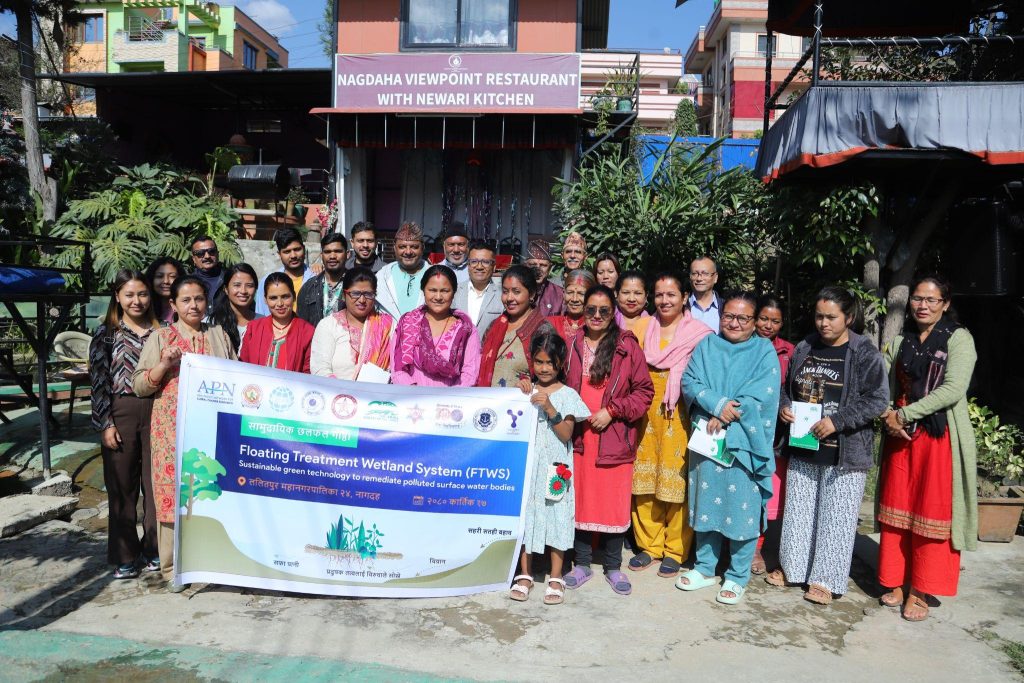
Following the results of lab analysis, which showed a significant reduction in nutrient levels, research was further disseminated amongst communities, early career researchers and national policymakers. This was done to ensure that the process can be broadly replicated in other urban wetlands with similar approaches and an extensive framework.
Looking ahead, sustained advocacy and collaborative efforts among community members, policymakers and environmental organisations will be crucial to overcoming bureaucratic challenges and fully realising the potential of FTWS technology to preserve the health and vitality of water bodies in Dhaka and other project locations. The communities in all three project locations have become more aware of nature-based solutions, such as FTWS, for the remediation of polluted lake water.
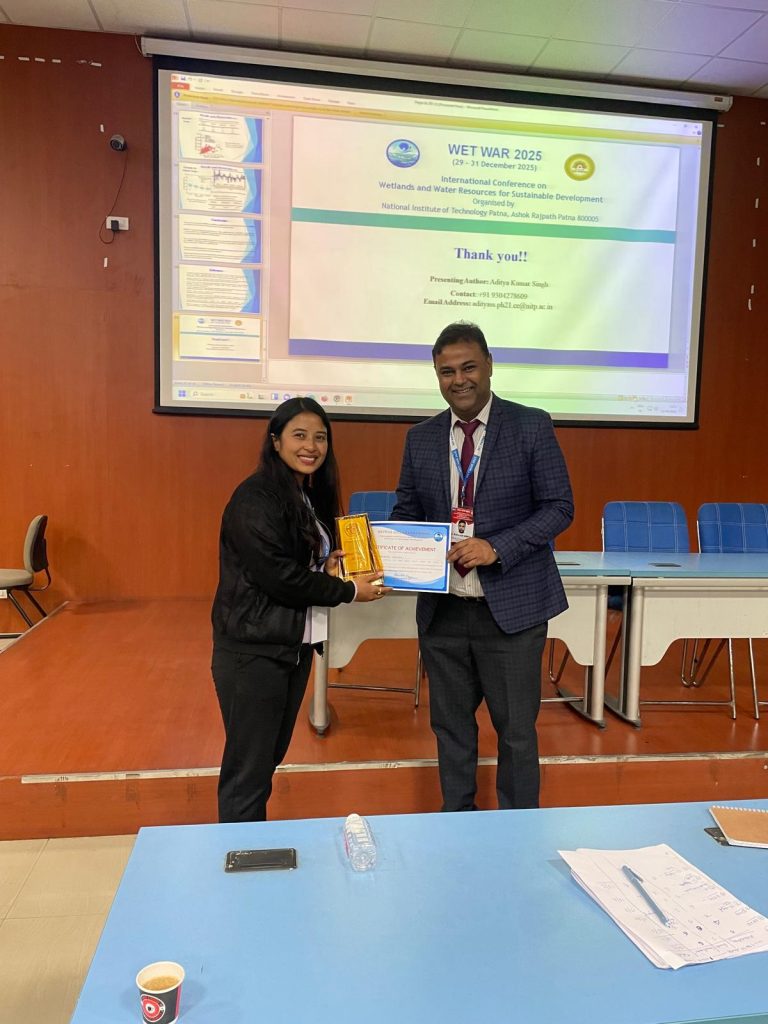
The project activities were shared and communicated to a large number of people, including local people, researchers, scientists and representatives of various organisations, through the publication of a guidebook, policy briefs and six community radio programmes. The radio programmes helped disseminate information about the project’s activities to a large number of community members and raise awareness about wetland conservation. In addition, the project was communicated to researchers, scientists and representatives of various organisations through presentations at national and international programmes and conferences. It was presented at the Nepal National Weather and Water Week 2023 (March) to replicate the technology in other lakes and ponds of Nepal. The project activities were also presented and received the best paper award at the International Conference on Wetlands and Water Resources for Sustainable Development, WET WAR 2025, held on 29–31 December (Figure 12).
3.4. Limitations and future scope
The present study primarily focused on conventional physicochemical water quality indicators to evaluate the performance of floating treatment wetland systems (FTWS). Consequently, plant biochemical responses, microbial-plant interactions and mechanistic pathways of pollutant removal were not explicitly examined. In addition, the study was conducted over a short-term period (60–90 days) and under relatively stable climatic conditions; therefore, seasonal variability, extreme weather impacts and long-term system resilience could not be fully assessed.
From an application perspective, the scalability of FTWS in large or highly dynamic water bodies may be constrained by space availability, hydrodynamics and maintenance demands. Although the use of low-cost, locally sourced materials reduces initial investment, labour requirements for installation, periodic biomass harvesting and maintenance may influence long-term cost-effectiveness at larger scales.
Future studies should focus on multi-season and long-term evaluations to assess sustained remediation efficiency under varying hydrological and climatic conditions. Integrating plant physiological and biochemical analyses, microbial community assessments, and cost-benefit evaluations at different spatial scales would provide a more comprehensive understanding of FTWS performance and support their optimised deployment in urban water body restoration.
4. CONCLUSION
The study demonstrated a significant potential of FTWS in remediating polluted urban water bodies across three South Asian countries: Nepal, India, and Bangladesh through the application of a consistent experimental framework of microcosm study, field study and capacity building. As the FTWS have been widely studied as nature-based solutions for water quality improvement, most of the existing literature is limited to single-site or single-country studies and very few have been conducted in Nepal. The study further provided scientific evidence of nutrient uptake from urban water bodies at three sites across three countries. The study further provided information on the microcosm and the field-scale study of FTWS in Nepal. The microcosm experiments enabled the systematic evaluation of multiple plant species, including Tradescantia pallida and Salvia splendens, which have a limited research history. The microcosm studies revealed that Canna indica, among the tested species, was the most effective at reducing key pollutants, including nitrates, orthophosphates, ammonia and BOD, making it a strong candidate for FTWS applications due to its high nutrient uptake, biomass production, and aesthetic appeal. The field-scale studies demonstrated the FTWS’s performance under dynamic pollution pressure typical of urban water bodies, including fluctuating flow through the inlet and outlet. The field studies, particularly in Nagdaha, Nepal, showed improved water quality parameters, such as DO, nitrate and iron levels, after FTWS installation, although fluctuations due to external pollution sources were noted.
The successful reduction of pollutants across diverse settings indicates that FTWS, when carefully selected and managed, can serve as a sustainable, cost-effective solution for improving water quality in urban environments. However, the study also highlights the importance of continuous monitoring and the potential need for site-specific adaptations to address challenges such as fluctuating pollutant loads and the influence of external factors. Nevertheless, the findings also reveal limitations that are often overlooked in prior studies, particularly the long-term stability of FTWS across seasons under variable climatic conditions and pollutant loading characteristics of South Asian countries. Future research should focus on addressing these challenges, elucidating the mechanistic pathway of pollutant removal, and evaluating the efficacy of FTWS for other contaminants of emerging concern. Additionally, life-cycle assessment and cost-benefit analysis of FTWS systems should be considered for scaling up and for policy integration across Asian countries.
5. ACKNOWLEDGEMENTS
We extend our deepest gratitude to the Asia-Pacific Network for Global Change Research (APN) for their generous financial support for the project with reference number: CRRP2021-11MY-P.Kayastha. We sincerely appreciate the logistical support provided by the Kathmandu Valley Water Supply Management Board (KVWSMB), the Center of Research for Environment, Energy and Water (CREEW), The Small Earth Nepal (SEN) and Nepal Academy of Science and Technology (NAST).
Our heartfelt thanks go to Central University of Rajasthan (CURAJ), Tribhuvan University (TU), University of Dhaka (DU), University of Rhode Island (URI), and University of Yamanashi (UY), Lalitpur Metropolitan City (LMC), LMC Ward No. 24, Dhapakhel community, Nagdaha Conservation Committee, Nagdaha FC club, and United Youth Club for their invaluable cooperation and active participation in the project activities.
We would also like to express our sincere thanks to Dr Madan Lall Shrestha (NAST), Prof. P. K. Jha (TU), Prof. Sadhana Pradhanang Kayastha (TU), Prof. Deepak Aryal (TU), Prof. Soni Mulmi Pradhanang (URI) and Dr Anusuya Joshi (Alternative Energy Promotion Center) for their expert advice and technical guidance throughout the project. Their contributions were instrumental in the successful execution of this study. Special thanks to the SEN team, including Ellen Kwantes and Ashok Ghimire, who reviewed and provided suggestions to improve the manuscript.