
Strengthening livelihood resilience through community-based aquaculture in rural Northern Thailand: Successes and challenges
Keywords
HIGHLIGHTS
- Low-cost aquaculture contributes to food security in rural northern Thailand.
- Success relied on strong leadership, social cohesion and development partner support.
- High feed costs and low economies of scale limited profitability.
- Context-specific strategies worked; generic approaches did not.
- Applying agroecology is challenging across diverse real-world conditions.
1. INTRODUCTION
Food and livelihood security remain pressing challenges across the developing world, often intensified by unsustainable agricultural practices (Montesclaros & Teng, 2021). Smallholder farmers are particularly vulnerable, facing declining natural resources, rising input costs and increasing climate instability (Georgeou et al., 2022; Lin et al., 2022). As key contributors to rural economies, they bear disproportionate impacts from environmental and socioeconomic inequalities, further widening the gap between smallholders and large-scale agribusinesses (Faysse et al., 2020).
Community-based aquaculture systems (C-BAS) have emerged as a sustainable response to these challenges, offering locally managed, resource-efficient production that draws on traditional knowledge (Musuka & Musonda, 2013). By integrating agroecological principles with participatory management, C-BAS can enhance food security, diversify livelihoods, and buffer market volatility while advancing social, economic, and environmental sustainability (Agbayani, 2008; Barrios et al., 2020). With continued innovation in aquaculture practices, such systems hold strong potential to meet rising protein demand while minimising environmental impacts—provided that sustainability remains central to their design and implementation (Boyd et al., 2020).
In rural Thailand, small-scale freshwater aquaculture already contributes to household nutrition and supplemental income, especially where land-based farming is less feasible (Chumnongsittathum, 2008). By leveraging local knowledge and community management, these systems can enhance food security, economic stability and local resilience (Lowitt et al., 2020). They also reduce dependence on agribusiness-controlled supply chains, enabling smallholders to navigate price fluctuations and maintain greater autonomy (González, 2018). However, despite their potential, C-BAS often face persistent barriers—limited technical capacity, weak supply chains, restricted market access and vulnerability to disease outbreaks or climate shocks (Ahmad et al., 2021; Watson et al., 2018). Addressing these constraints requires targeted investments in capacity building and stronger community ownership to ensure long-term sustainability and adaptability (Martínez-Novo et al., 2017).
Against this backdrop, this study examines community-based aquaculture systems introduced across 14 villages in northern Thailand to enhance household protein production and income. The region was selected for its persistent livelihood vulnerabilities, diverse agroecological settings and reliance on smallholder agriculture. Farmers here face rising input costs, climate variability and dependence on external markets, leaving them highly exposed to shocks. Community-based aquaculture was chosen over conventional commercial models because it represents a locally governed, low-cost alternative that leverages social networks and resource-sharing. Unlike large-scale aquaculture, which depends on economies of scale and centralised supply chains, C-BAS emphasises social cohesion, adaptive capacity, and resilience within local environmental and market constraints (Partelow et al., 2025; Roscher et al., 2022).
2. BACKGROUND
In 2023, an APN project (CBA2022-09MY-Srinuansom) was launched to introduce C-BAS to rural communities in northern Thailand. The initiative sought to enhance protein production, generate supplemental income, and promote sustainability through low-cost, resource-efficient and environmentally friendly systems rooted in agroecological principles (Ogello et al., 2024). Villagers were trained in system development and management while being guided through commodity chains that shape profitability. The project began with three proof-of-concept systems, expanding to 11 additional groups over a two-year period. Alongside evaluating key factors behind success and failure, the project provided hands-on training for villagers and regional students. By addressing food security, income generation, economic resilience and climate variability, the initiative supported multiple UN Sustainable Development Goals (Figure 1) and aligned with APN’s mission to advance sustainability through research, capacity building and policy support (Srinuansom et al., 2025).

This study is framed within resilience theory and socioecological systems thinking, emphasising how adaptive capacity, social capital and governance influence aquaculture outcomes (Folke, 2016). In relation to global policy agendas, the relevance of C-BAS is underscored in connection with the Sustainable Development Goals (SDG 2: Zero Hunger, SDG 14: Life Below Water) and FAO strategies for sustainable aquaculture. The project also reflects APN’s mandate to strengthen climate adaptation and resilience in Asia-Pacific contexts by combining field-based interventions with capacity building. Situating C-BAS within these resilience frameworks positions this case study not only as a technical experiment but also as a contribution to broader debates on livelihoods, adaptation and sustainability (Ziegler et al., 2022).
3. METHODOLOGY
3.1. Study area
Northern Thailand, known for its diverse geography and rich cultural heritage, served as the focal area of this study. The region’s fertile valleys, rolling hills and low mountains provide a dynamic setting for examining rural development, environmental sustainability, and the role of community-based aquaculture systems in enhancing food and livelihood security. It is home to northern Thai (Khon Muang) communities as well as numerous ethnic minority groups, each with distinct cultural traditions and resource-use practices (Kunstadter, 1978; Baird et al., 2017). Agriculture remains the backbone of livelihoods, often supplemented by casual labour and traditional crafts. Yet many communities continue to face persistent challenges, including land degradation, dependency on external markets, low financial returns and limited productive resources (Seeprasert et al., 2021; Singkhorn et al., 2021; Sudsandee et al., 2022).
While northern Thai communities generally benefit from greater market access and educational opportunities compared to their ethnic minority counterparts, they nevertheless share similar socioeconomic vulnerabilities. Smallholder farmers are frequently constrained by reliance on middlemen and large agribusinesses that control prices and inputs, leaving them with narrow profit margins (Meenaphant, 2019; Promme et al., 2017). In addition, land tenure insecurity and the cultivation of sloping forested areas have long contributed to socio-cultural and political tensions in the region (Fox et al., 1995; Ganjanapan, 1998). These structural challenges underscore the potential of small-scale aquaculture to complement existing livelihoods, improve food security and provide supplemental income in northern Thailand.
3.1.1. Village descriptions
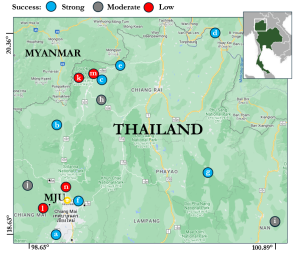
The project used a community outreach approach to introduce small-scale C-BAS technologies tailored to local conditions. Site analysis identified motivated groups and optimal locations for aquaculture development. In total, 14 systems were established—11 in Chiang Mai Province and one each in Chiang Rai, Phayao and Nan (Figure 2; Table 1). Site selection was guided by local referrals and development agency introductions. Before implementation, initial interviews assessed stakeholder motivations, power dynamics, and environmental concerns.
| ID | Year | Name |
|---|---|---|
| Successful systems | ||
| a | 2 | Ban San Pa Tong Luang, Yuwa, San Pa Tong, Chiang Mai |
| b | 1 | Ban Mae Kan, Thung Khao Phuang, Chiang Dao, Chiang Mai |
| c | 2 | Ban Huai Muang, Mae Na Wang, Mae Ai, Chiang Mai |
| d | 2 | Ban Muang Karn, Rim Khong, Chiang Khong, Chiang Rai |
| e | 1 | Ban Mae Nam Ron, Tha Ton, Mai Ai, Chiang Mai |
| f | 1 | Ban Huai Haeg, Nong Yaeng, Sansai, Chiang Mai |
| g | 2 | Ban Boon Yuen-Wang Bong, Pong, Pong, Phayao |
| Moderately-successful systems | ||
| h | 1 | Ban Huai Pa Rai, Mae Kha, Fang, Chiang Mai |
| i | 2 | Ban Huai Kuang, Nam Kian, Phu Phiang, Nan |
| j | 2 | Ban Pang Khum, Yang Moen, Samoeng, Chiang Mai |
| Failed systems | ||
| k | 1 | Ban Nong Phai, Fang, Chiang Mai |
| l | 1 | Ban Buak Chan, Pong Yaeng, Mae Rim, Chiang Mai |
| m | 2 | Ban San Manao, Mae Sao, Mae Ai, Chiang Mai |
| n | 1 | Ban Nong Machap, Mae Faek, Sansai, Chiang Mai |
| ID applies to both Figures 2 and 3 and the sites mentioned below. “Year” is the year in which the aquaculture systems were established at the site. | ||
(a) Ban San Pa Tong Luang
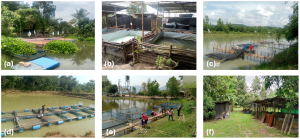
Ban San Pa Tong Luang, a lowland northern Thai community in Chiang Mai, relies primarily on rice cultivation, longan plantations, vegetable and cash crop production, and some animal husbandry. Abundant groundwater supports paddy farming, while government-backed initiatives, particularly from sub-district municipalities, have promoted organic and pesticide-free agriculture. A strong sense of community reinforces these efforts, and proximity to Chiang Mai offers greater job opportunities and a higher standard of living compared to more remote rural areas. The site had a viable pond with year-round water, making it suitable for a cage-based C-BAS as a proof-of-concept project. The aquaculture group included 15 members, aged 56 to 74, with nine men and six women (Figure 3a).
(b) Ban Mae Kan
Mae Kan is a mixed-ethnic hamlet comprising seven small settlements with 273 households. The local economy is primarily driven by farming—corn, pigs, chickens and ducks—along with hired labour, wicker works and other trades. The community has five occupational groups focused on livestock, fishing, greenhouse vegetables, bananas, and herbs, all of which receive ongoing support from external agencies, alongside three community enterprise groups. While Mae Kan previously faced drug-related challenges, it is now undergoing restoration, with the “Gilding Behind the Buddha” Institute (GBBI) leading efforts to improve water resources and livelihoods. A tank-based aquaculture system was established as a proof-of-concept project, involving a small portion of the community under the leadership of a Karen woman. The group consisted of 15 members ranging in age from 38 to 59 (Figure 2b).
(c) Ban Huai Muang
Ban Huai Muang, a mixed Thai community in Chiang Mai Province, relies on agriculture as its economic backbone. Residents cultivate rice, rubber, mushrooms, and organic vegetables, benefiting from a large reservoir that provides a year-round water supply fed by groundwater. Strong local leadership and government support have promoted diverse farming initiatives, including the cultivation of mushrooms and organic crops alongside rubber production. Some residents, originally from northeastern Thailand, have contributed additional expertise in farming, fishing, and construction. A 5-hectare irrigation pond, built a decade ago, provided an ideal site for cage-based aquaculture (Figure 3c). The aquaculture group, consisting of eight men and three women (ages 25 to 72), received technical support through GBBI, which helped facilitate the project.
(d) Ban Muang Karn
Ban Muang Karn, a northern Thai community in Chiang Khong, was historically known for its fishing along the Mekong River but has since transitioned to an agriculture-based economy. Like many lowland communities, villagers also supplement their income through various labour jobs. With a strong background in fisheries, the community had prior aquaculture experience and had already established an earth reservoir for tilapia farming. Seeking to expand, they aimed to breed catfish and reduce costs through local fish feed production. However, limited expertise in fish breeding, their overall knowledge made them one of the most capable communities that was worked with. The 14-member group, primarily male (12 men and two women ranging in age from 25 to 72), utilised cage systems in a large pond to raise fish (Figure 3d).
(e) Ban Mae Nam Ron
The Karen farming community of Ban Mae Nam Ron, consisting of approximately 10 households, primarily cultivates rice, fruit plantations, and vegetables, with some residents supplementing their income through weaving and casual labour. However, limited earnings have forced some villagers to seek work in other provinces or abroad. While the community lacked organised aquaculture groups, there was a strong interest in developing fish farming as both a food source and an additional source of income. A student connected to the Maejo University (MJU) Fisheries Alumni Project introduced this site, highlighting its access to a public reservoir suitable for year-round aquaculture. A small group of six members (three men and three women; ages ranging from 59 to 80) formed a cohesive unit with strong kinship ties, enabling effective coordination. This made the site viable as a proof-of-concept (PoC) project using a cage system (Figure 3e).
(f) Ban Huai Haeg
Huai Haeg, a lowland northern Thai community with approximately 60 households, was established over 50 years ago when settlers were relocated due to the construction of the Mae Kuang Reservoir. Initially reliant on farming and forest gathering, many residents now seek employment in nearby towns or take on casual labour, including carpentry, farming on absentee-owned land, and general maintenance. The area’s poor soil and dry climate limit the viability of high-value cash crops that thrive in wetter, cooler regions, though gathering forest products remains common. Younger generations rarely pursue farming or local labour, instead seeking stable employment in Chiang Mai. The village hosted the project’s first proof-of-concept aquaculture system, managed by a small group of four members (three men and one woman) ranging in age from 59 to 81, none of whom had prior experience in fish farming. Their tank-based system served as the initial model for the project (Figure 3f).
(g) Phayao Ban Boon Yuen-Wang Bong
The Ban Boon Yuen-Wang Bong site comprised two lowland communities in Phayao Province, northern Thailand, where agriculture remains the primary livelihood. Rice farming, along with tree and garden crops, forms the economic backbone, though many residents supplement their income through casual labour. Due to the lack of secure earth ponds, small plastic tanks were used for catfish farming. Early progress was hindered by limited aquaculture knowledge, budget constraints, and the long distance required to source fingerlings and fish food. Two separate tank-based systems were developed within individual households, managed by a small group of four members—two men and two women, aged 56 to 66.
(h) Ban Huai Pa Rai
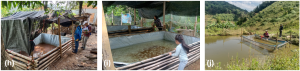
Ban Huai Pa Rai, a highland community in the Fang District of Chiang Mai Province, is located 159 km from MJU and is home to the Lahu and Tai Yai (Shan) ethnic groups (Figure 4). With over 400 households, the community primarily relies on agriculture, cultivating rice, corn, boom crops, and tree orchards. The village is divided into two sub-communities, with many residents depending on mountain springs for water. Past challenges with drug use have impacted the area, and the project was introduced through GBBI, which provided support for water infrastructure. Three separate tank-based aquaculture systems were developed at Pang Poi (Figure 4h), but there was little interaction among the groups, each consisting of only a few members. The groups varied significantly in aquaculture experience (ages 34–52), which influenced their outcomes—two systems proved successful, while the third struggled with productivity.
(i) Ban Huai Kuang
Ban Huai Kuang, a small village in Nan Province, Thailand, is home to migrants from Luang Prabang, Laos, who relocated in 1962 following a devastating dysentery outbreak. After multiple displacements due to insurgent threats, they eventually settled in the Nan City District. The community maintains traditional customs, honouring ancestral spirits through household and communal shrines. Villagers cultivate crops for both personal use and trade, with rice and vegetables as staple foods and rubber as a key cash crop. Some engage in weaving for supplemental income, while many men rely on casual labour. The community initially formed a 10-member group to establish a tank-based aquaculture system, which proved successful. However, over time, most members left, leaving operations in the hands of a dedicated core group of three women, aged 34 to 71 (Figure 4i).
(j) Ban Pang Khum
The remote highland Lisu community in Ban Pang Khum is distinct from the neighbouring Karen area, with at least two clans that tend to segregate activities. Most families work independently in their fields, relying on a diet of pork, chicken, and homegrown vegetables. Farming remains the primary livelihood, having evolved from traditional swidden agriculture (upland rice) to more intensive, near-permanent cultivation on sloping lands. Crops such as corn, mustard and cabbage are now grown alongside tree orchards. A small family group in Ban Pang Khum established a cage-based community aquaculture system in an existing pond within the swidden fields for local consumption (Figure 4j). The group was primarily male (four men and one woman), with ages ranging from 17 to 63.
(k) Ban Nong Phai
Ban Nong Phai, a Lahu community located near the Myanmar border in Fang District, is approximately 150 km from MJU in a remote, agriculturally intensive region. The main sources of income are orange and lychee farming, both of which rely heavily on the use of pesticides and agrochemicals, as well as corn cultivation for livestock feed. The land is heavily farmed, and annual fires occur on both sides of the border. The community generally prefers to work in isolation, limiting openness to outside visitors. While some households appear well-off, economic stratification is evident. With over 300 households, the community received support from the GBBI group and initially showed interest in aquaculture for local catfish production. Both cage and tank-based systems were introduced, but the project was abandoned as other priorities took precedence. The group of eight, mostly men (7), ranged in age from 41 to 53.
(l) Ban Buak Chan
Ban Buak Chan, a Hmong highland community 35 km from MJU near Chiang Mai City, features steep terrain and a cool climate. Farming is the primary livelihood, with long-established residents cultivating nearby fields, while others rent land farther away. Cash crops such as flowers, cabbage and vine crops provide key sources of income. The village relies on mountain water, though distribution is uneven among households. Tourism has recently expanded, with camping lodges attracting visitors for scenic views, but earnings remain seasonal and largely benefit landowners. The aquaculture group, consisting of five family members—three men and three women (ages 16–67) of mixed Karen-Hmong heritage—lacked a pond at their upland site and instead set up a 2 × 2 m tank system near their house. However, insufficient water supply and time constraints led to the project’s abrupt end.
(m) Ban San Manao
Ban San Manao, a northern Thai community along the main road from Chiang Mai to Chiang Rai, lies about 174 km from MJU. While most villagers rely on agriculture, additional income comes from casual labour and remittances. An extended family with prior aquaculture experience maintained two fishponds and aimed to establish a C-BAS, leveraging their roadside location for market access. They also planned a worm farm to produce low-cost fish feed. The group, consisting of four men and two women, lacked the strong dynamics needed for a broader community project. Despite successfully setting up a structure for black soldier fly cultivation, the venture failed due to pest issues and a lack of interest.
(n) Ban Nong Machap
Nong Machap, a lowland farming community 19 km from MJU in Chiang Mai, is primarily home to northern Thai people, with some settlers from other regions. Agriculture and trade dominate livelihoods, with farming income derived from longan, paddy rice, cassava, and other cash crops. External agencies have promoted catfish farming, making aquaculture common, and fish are widely available in local markets. The community benefits from a major canal that draws water from the Ping River, supplemented by groundwater wells. A group of four men and four women attempted to establish a C-BAS, but the initiative failed due to weak leadership and a lack of social cohesion.
3.2. Approach
After establishing community-based aquaculture systems in the villages, their potential and success were evaluated across sites, using three assessments: (1) a community aquaculture viability index (CAVI) to rank each location’s social, environmental, and economic status; (2) a community capacity assessment (CCA) to measure skill transfer and technical readiness; and (3) a cohort cost-benefit analysis to assess profitability of the community-based systems.
3.2.1. Community-based aquaculture systems
Two C-BAS designs were implemented: (1) Floating cages (4 × 4 m; 16 m2 plan area; 16 m3 volume) for villages with access to ponds or small reservoirs (Figure 3a, c, d, e); (2) Prefabricated tanks (2 × 3 m; 6 m2, 3 m3) for areas lacking permanent ponds (Figure 3b, f). Villagers were trained to raise North African catfish (Clarias gariepinus), a hardy, fast-growing species widely used in Asian aquaculture (Hengsawat et al., 1997; Lisachov et al., 2023). Each production cohort consisted of 300 fingerlings raised over a 90-day cycle (Oké & Goosen, 2019; Tangprakhon et al., 2006). Stocking densities were 50 fish m−2 in tanks and 19 fish m−2 in cages. Fish were fed high-protein commercial pellets, with pellet size and protein content adjusted by age—fry and fingerlings receiving ∼2 kg of high-protein feed, and adults up to ∼60 kg per cycle. Fingerlings were procured from regional broodstock farms to ensure quality control, while a common brand of feed was purchased from local commercial suppliers. Water was sourced locally, and construction materials were obtained from village suppliers whenever possible. To maintain water quality and prevent predation, tanks were covered with netting or roofing.
The research team conducted regular site visits for maintenance, consultation, and hands-on training, supplemented by workshops held both in villages and at the university. Advanced modules covered fish fingerling breeding, black soldier fly larvae feed production, and product development, while high-performing groups received additional instruction on tilapia and frog cultivation.
3.2.2. Community aquaculture viability index (CAVI)
A Community Aquaculture Viability Index (CAVI) was developed as a practical tool to assess factors influencing aquaculture success across sites. It integrates ten factors: (A) leadership, (B) social cohesion, (C) environmental conditions, (D) government/NGO assistance, (E) research team support, (F) group size, (G) training, (H) technical literacy, (I) remoteness, and (J) local economic stability. Each variable was scored from 0 to 2 based on interviews and field observations, with values assigned by the research team using consensus and informed by resilience and aquaculture literature. Composite CAVI scores were normalized to a 0–100 scale using the formula:
$$
CAVI=\sum_{i=1}^{10}\left( \frac{S_{i}}{2} \right)\times10
$$
where si is the score (0–2) for each factor i (A to J). The resulting scores serve as relative indicators of each community’s strengths and constraints. While the CAVI captures socio-environmental interactions shaping viability, it does not explicitly address underlying power dynamics or political constraints (cf. Brugha & Varvasovszky, 2000; Ramos et al., 2017).
3.2.3. Community capacity assessment (CCA)
A Community Capacity Assessment (CCA) was developed to evaluate each community’s technical capacity, resource readiness, and learning outcomes. The assessment included 66 participants from 12 of the 14 villages, surveyed both before and after project implementation to quantify knowledge transfer over the two-year period. Individual interviews were conducted privately to minimise group bias and encourage open reflection. Topics covered fish husbandry, aquaculture management, breeding, water chemistry, fish health, marketing, record-keeping, and fry procurement. Responses were rated on a six-level competency scale: Limited (0–1), Novice (2–3), Capable (4–6), Proficient (7–8), Advanced (9–10), and Expert (11–13). Achieving Expert status was intentionally rigorous, benchmarked against professional aquaculture standards and the research team’s own proficiency levels. Pre- and post-project comparisons provided a quantitative measure of the effectiveness of capacity building and the overall impact of knowledge exchange activities.
3.2.4. Economic analysis
A cost–benefit analysis was conducted to assess the economic viability of C-BAS across sites over a 90-day grow-out cycle (i.e., cohort). Start-up, operating and feed costs were recorded alongside survival rate, total biomass, individual fish size, and market price to determine profitability. Additional performance indicators—including protein yield, feed conversion ratio (FCR), and cost recovery time (CRT)—were calculated to evaluate system efficiency. Profit index (PI) and production levels were compared across villages to identify differences between tank-based and cage-based systems. Together, these metrics provided an integrated measure of whether smallholder aquaculture could enhance local livelihood resilience.
3.2.5. Statistical approach
Because sites were few, non-random, and heterogeneous—and observations were partially clustered within villages—we emphasise robust descriptive summaries (medians, ranges, and median absolute deviations). Nonparametric Mann–Whitney U (Wilcoxon rank-sum) comparisons of cages vs. tanks were used solely as a robustness check for net profit, profit index, and cost-recovery time. These checks did not indicate discernible group differences, consistent with high variance and low statistical power; accordingly, we do not report p-values, confidence intervals, or effect sizes, and all cage–tank contrasts are interpreted descriptively. Throughout, ‘±’ denotes median absolute deviation (MAD), not standard deviation.
3.2.6. Ethical considerations
The project did not involve experimental procedures on animals or the collection of personal or sensitive human data. Community participation focused on voluntary training and capacity-building activities related to aquaculture management. All participants were informed of the project objectives and provided written consent prior to interviews or participation in surveys. Collected information was used solely for generating the CAVI and CCA scores and was subsequently destroyed. Photographs appearing in this paper were taken with the permission of the individuals and community leaders involved. All aquaculture activities followed standard good practices for fish welfare and environmental protection, including appropriate stocking densities, maintenance of water quality, and prevention of escapes or contamination.
4. FINDINGS
To capture variation across the 14 participating villages, results are presented according to the relative success and viability of each community-based aquaculture system (C-BAS). Comparative analysis draws on CAVI, CCA, and cost–benefit indicators to highlight social, technical, and economic dimensions of performance. Although site-specific conditions varied widely, several consistent patterns emerged: cage systems generally exhibited stronger social organisation and adaptability, whereas tank systems were simpler to manage but more vulnerable to environmental stress. Climate-related factors—especially cold-season mortality and flooding—proved to be major determinants of long-term viability and resilience. All between-system contrasts are presented descriptively; see Section 3.2.5 Statistical Approach.
4.1. Variable success
For clarity, success in this study refers to the sustained functionality and adaptive performance of community-based aquaculture systems (C-BAS), rather than profitability alone. Moderately successful or low-success systems were those that achieved partial yields or limited productivity but remained operational. In contrast, failed systems were abandoned or deemed non-viable despite continued intervention. By the project’s end, seven C-BAS sites were classified as successful (Table 1): Ban San Pa Tong Luang, Ban Mae Kan, Ban Huai Muang, Ban Muang Kan, Ban Mae Nam Ron, Ban Huai Haeg, Ban Huai Pa Rai (TY), and Ban Boon Yuen-Wang Bong. These included four cage-based and three tank-based designs (Figure 3). Their high CAVI scores (70–90; Table 2) corresponded well with observed field performance. Three additional sites—Ban Huai Pa Rai, Ban Huai Kuang, and Ban Pang Khum—were moderately successful, while three (Ban Buak Chan, Ban San Manao and Ban Nong Machap) were unsuccessful. One site (Ban Nong Phai) achieved mixed results. A more detailed discussion of success classifications is presented in Srinuansom et al. (2025).
| Location | Success | CAVI Score | A | B | C | D | E | F | G | H | I | J |
|---|---|---|---|---|---|---|---|---|---|---|---|---|
| Ban San Pa Tong Luang | High | 90 | 2 | 2 | 2 | 2 | 2 | 2 | 1 | 2 | 2 | 1 |
| Ban Mae Kan (n = 2) | High | 90 | 2 | 2 | 2 | 2 | 2 | 2 | 2 | 1 | 1 | 2 |
| Ban Huai Muang | High | 85 | 2 | 2 | 2 | 2 | 2 | 2 | 2 | 1 | 1 | 1 |
| Ban Muang Karn | High | 80 | 2 | 2 | 2 | 2 | 0 | 2 | 2 | 2 | 1 | 1 |
| Ban Huai Haeg | High | 75 | 2 | 2 | 1 | 0 | 2 | 2 | 2 | 1 | 2 | 1 |
| Ban Mae Nam Ron | High | 75 | 2 | 2 | 2 | 1 | 2 | 1 | 1 | 2 | 2 | 1 |
| Ban Boon Yuen-Wang Bong (n = 2) | High | 70 | 2 | 2 | 2 | 0 | 2 | 1 | 1 | 1 | 1 | 2 |
| Ban Huai Pa Rai (n = 3) | Mod | 65 | 1 | 2 | 1 | 2 | 1 | 2 | 1 | 1 | 1 | 1 |
| Ban Pang Khum | Mod | 40 | 1 | 1 | 2 | 0 | 1 | 1 | 0 | 1 | 0 | 1 |
| Ban Huai Kuang | Mod | 40 | 2 | 1 | 1 | 1 | 0 | 1 | 0 | 2 | 0 | 0 |
| Ban Nong Phai | Low | 40 | 1 | 0 | 1 | 1 | 1 | 0 | 2 | 0 | 1 | 1 |
| Ban Buak Chan | Low | 30 | 1 | 0 | 0 | 0 | 1 | 1 | 0 | 2 | 1 | 0 |
| Ban San Manao | Low | 35 | 0 | 0 | 2 | 1 | 0 | 0 | 0 | 1 | 1 | 2 |
| Ban Nong Machap | Low | 30 | 0 | 0 | 1 | 0 | 1 | 0 | 0 | 1 | 2 | 1 |
| Footnotes: (A) Leadership, (B) Social Cohesion, (C) Environmental Conditions, (D) Government/NGO Assistance, (E) Support by Research Teams, (F) Adequate Group Size, (G) Advanced Training Provided, (H) Technical Literacy, (I) Accessibility, (J) Stable Local Economies. Some locations had more than one pond/tank: Ban Mae Kan, Ban Boon Yuen-Wang Bong and Ban Huai Pa Rai. | ||||||||||||
The seven successful systems shared consistent characteristics: strong leadership, active participation, cohesive group dynamics, and favourable environmental conditions—regardless of absolute profitability (Table 2). Even groups with minimal prior experience demonstrated substantial learning gains through training, peer exchange, and hands-on practice. Perseverance was essential; most groups faced significant difficulties in their first cohort but adapted and improved management practices in subsequent production cycles.
Early challenges included fish escapes during flooding (Ban San Pa Tong Luang), fish jumping from cages (Ban Huai Haeg) and high fingerling mortality at Ban Mae Kan. Eutrophication also affected the pond where the Ban Mae Nam Ron system was installed. As experience accumulated, participants became more proficient in daily operations and responded effectively to emerging problems. According to the Community Capacity Assessment (Table 3), the median knowledge gain among the seven successful groups was 4, ranging from 1 (Ban Boon Yuen–Wang Bong) to 7 (Ban Huai Muang and Ban Muang Karn).
| Location | Male | Female | Age | Initial expertise | Current expertise | Potential expertise | Expertise gain |
|---|---|---|---|---|---|---|---|
| Ban San Pa Tong Luang | 2 | 2 | 64 | 5 | 7 | 9 | 3 |
| Ban Mae Kan | 2 | 4 | 53 | 3 | 9 | 10 | 6 |
| Ban Huai Muang | 4 | 3 | 53 | 1 | 8 | 10 | 7 |
| Ban Muang Karn | 8 | 0 | 40 | 2 | 9 | 11 | 7 |
| Ban Nam Ron | 3 | 3 | 51 | 2 | 5 | 6 | 3 |
| Ban Huai Haeg | 3 | 1 | 67 | 1 | 5 | 6 | 4 |
| Ban Boon Yuen-Wang Bong | 2 | 2 | 66 | 4 | 5 | 6 | 1 |
| Ban Huai Pa Rai | 2 | 1 | 42 | 2 | 4 | 8 | 2 |
| Ban Pang Khum | 3 | 1 | 45 | 0 | 3 | 4 | 3 |
| Ban Huai Kuang | 0 | 3 | 53 | 4 | 7 | 8 | 3 |
| Ban Nong Phai | 5 | 1 | 46 | 1 | 6 | 8 | 6 |
| Ban Buak Chan | 2 | 3 | 22 | 0 | 2 | 2 | 2 |
| Total or Median | 36 | 24 | 60 | 2 | 6 | 8 | 2 |
| Key: | Limited | 0 | 1 | Proficient | 7 | 8 | |
| Levels of Expertise | Novice | 2 | 3 | Advanced | 9 | 10 | |
| CCA scores | Capable | 4 | 6 | Expert | 11 | 13 | |
| Note: Initial expertise was determined in 2023 or 2024; currently, the end of the project is in 2025. | |||||||
The three moderately successful systems had CAVI scores of 40–45 (Table 2), reflecting variation in group objectives and environmental context. At Ban Huai Pa Rai, where three independent tank systems operated under differing conditions of expertise and site quality, performance ranged from low to high (Figure 5). Despite these disparities, all three units eventually achieved profitability after initial setbacks, and overall proficiency at Ban Huai Pa Rai was classified as capable (Table 3).
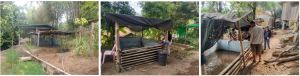
The groups that failed did so for diverse but often interrelated reasons, most commonly weak leadership and limited social cohesion. At one site, participation declined once members realised that external support and resources were not indefinite. Another group initially experimented with black soldier fly larvae for feed but discontinued the effort due to high labour demands and persistent ant infestations. A family-based group in a remote mountain area faced chronic water shortages and severe time constraints, as their cropping sites were located more than 20 km away.
In contrast, Ban Nong Phai represented a notable exception. Despite strong leadership, the community prioritised higher-income agricultural and off-farm employment, leading to gradual disengagement from aquaculture activities (Figure 6). The first cohort was largely unsuccessful—many fish were consumed locally or transferred to private ponds. Although the second cohort achieved profitability, the group disbanded soon afterwards despite intensive training and continued follow-up support. This outcome was further shaped by the community’s limited openness to external collaboration and research engagement.
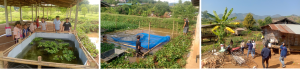
Over time, participants improved their technical skills in system construction, maintenance and feeding, with several individuals developing proficiency in breeding, black soldier fly larvae production, and water quality and disease management. However, few maintained consistent records, limiting reliable tracking of production performance. According to the Community Capacity Assessment (Table 3), four participants achieved final scores between 9 and 11, indicating advanced competency.
Learning outcomes were generally strongest among the most successful groups, though individuals in less successful ones also showed meaningful progress. Results varied with participants’ initial skill levels and the frequency of training and follow-up visits. Tailored instruction clearly enhanced participant capabilities, but variation in research visits and extension activities led to uneven knowledge acquisition across sites. More frequent or advanced modules could likely have raised additional individuals and villages to higher levels of learning (Table 3). Even in lower-performing systems, tangible knowledge gains underscored the effectiveness of hands-on learning. Yet, long-term outcomes often depended less on technical proficiency than on social and structural factors. Shifting livelihood priorities, economic constraints, limited time availability, weak group cohesion and leadership gaps frequently determined whether communities sustained aquaculture activities after project support ended.
Notably, several women leaders—particularly in Ban Mae Kan, Ban Huai Kuang, Ban Mae Nam Ron, and Ban Huai Haeg—demonstrated exceptional learning capacity, developing technically robust systems despite limited prior aquaculture experience (Kawarazuka et al., 2018; see Figure 7). Their engagement not only enhanced the technical success of local systems but also strengthened group cohesion and continuity, underscoring the central role of women’s leadership in sustaining collective aquaculture initiatives.

4.2. Viability & profitability
The median 3-month cohort cost across 15 systems (includes all operational sites from 14 villages) was 2,370 ± 270 THB (range: 1,830–3,180 THB), with feed comprising 69% of expenses (62–81%) and fingerlings 25% (19–33%) (Table 4). Monitoring data indicated an overall median survival rate of 86 ± 5% across all systems (Ziegler et al., in press). Tanks showed slightly higher survival (87%) than cages (80%), but given the small number of sites, these contrasts are not statistically or practically discernible. Each cohort produced an average of 257 ± 16 fish (48 ± 6 kg), sold at a median market price of 70 THB kg−1. Net profit ranged from 150 to 1,370 THB, with a median of 703 ± 268 THB (≈18 USD).
| Location [note] | Start cost (THB) | Cohort cost (THB) | Revenue (THB) | Net profit (THB) | Profit index (-) | CRT (cohorts) |
|---|---|---|---|---|---|---|
| Ban Huai Kuang (tank) | 1050 | 3325 | 4320 | 995 | 1.30 | 1.1 |
| Ban Huai Muang (cage) | 1600 | 2370 | 3733 | 1363 | 1.58 | 1.2 |
| Ban San Pa Tong Luang (cage) | 1800 | 2790 | 3990 | 1200 | 1.43 | 1.5 |
| Ban Nam Ron (cage) | 1800 | 2235 | 3173 | 938 | 1.42 | 1.9 |
| Ban Wang Bong (tank) | 1500 | 2370 | 3073 | 703 | 1.30 | 2.1 |
| Ban Mae Kan B (cage) | 2500 | 2640 | 3808 | 1168 | 1.44 | 2.1 |
| Ban Huai Pa Rai LH (tank) | 1100 | 1965 | 2400 | 435 | 1.22 | 2.5 |
| Ban Pang Khum (cage) | 1400 | 2370 | 2836 | 466 | 1.20 | 3.0 |
| Ban Mae Kan A (tank) | 2000 | 2280 | 2800 | 520 | 1.23 | 3.8 |
| Ban Pua Yuan (tank) | 3000 | 2370 | 3132 | 762 | 1.32 | 3.9 |
| Ban Huai Pa Rai TY (tank) | 5850 | 3180 | 4550 | 1370 | 1.43 | 4.3 |
| Ban Huai Pa Rai SC (tank) | 1000 | 2910 | 3060 | 150 | 1.05 | 6.7 |
| Muang Karn (cage) | 4000 | 2973 | 3551 | 578 | 1.19 | 6.9 |
| Ban Huai Haeg (tank) | 3500 | 2370 | 2836 | 466 | 1.20 | 7.5 |
| Ban Nong Phai (cage) | 2500 | 1830 | 2100 | 270 | 1.15 | 9.3 |
| Median | 1800 | 2370 | 3132 | 703 | 1.30 | 3.0 |
| MAD | 700 | 270 | 419 | 268 | 0.10 | 1.3 |
| Tank Median | 1750 | 2370 | 3066 | 611 | 1.26 | 3.9 |
| Cage Median | 1800 | 2370 | 3551 | 938 | 1.42 | 2.1 |
| Footnotes: All costs are in Thai baht (THB; 1 USD = 38 THB). Data represent 15 systems across 14 villages; some sites operated multiple C-BAS units, and some experienced partial failure. Protein Value = market value of harvested fish (revenue). Profit Index (PI) = Revenue (Protein Value) ÷ Cohort Cost (unitless). Cost recovery time (CRT) = number of cohorts needed to recoup start-up cost. Group comparisons are descriptive; Mann–Whitney U checks did not indicate discernible cage–tank differences in net profit, profit index, or cost-recovery time (see Section 3.2.5). | ||||||
The corresponding profit index—defined here as protein value (revenue) ÷ cohort cost—had a median of 1.30 ± 0.10, indicating a median net return of ∼30% (i.e., PI–1; range 5–58%). When disaggregated by system type, cages had higher medians than tanks (938 vs. 611 THB), but these contrasts are descriptive only and were not statistically discernible in Mann–Whitney U checks. Much of the apparent gap reflects location-based prices (70 vs. 65 THB kg−1); after standardising to 70 THB kg−1, recalculated profits were nearly identical (726 vs. 760 THB), indicating broadly comparable profitability across designs.
Cost-recovery time—the number of production cycles required to recoup start-up costs—averaged 3 ± 1.3 cohorts (≈9 months). Cages recovered costs more quickly (2.1 cohorts, ≈6.3 months) than tanks (3.9 cohorts, ≈11.7 months), but again, this contrast is descriptive and not statistically discernible. After price standardisation, the tank CRT decreased to 2.6 cohorts, further narrowing the apparent difference (cf. Ziegler et al., in press).
Overall, small-scale community-based aquaculture systems proved viable in the short term but lacked the scale for meaningful financial outcomes. Despite a median net return of ∼30%, profits were typically below ≈ USD 20 per cohort, rendering aquaculture an unreliable primary livelihood. The persistent constraint of high feed costs echoes earlier findings (Panayotou et al., 1982; Pongthanapanich, 2013). Increasing stocking densities could theoretically raise yields but risks compromising fish growth, welfare and survival, with uncertain overall benefit (Oellermann, 1995; van de Nieuwegiessen et al., 2008, 2009).
Farmers had limited control over market prices, as consumer preference for smaller fish constrained revenue potential. Some communities adopted cost-saving measures such as black soldier fly larvae production and probiotic use to improve water quality, but these efforts were often hampered by time constraints, resource limitations, and technical gaps. For most participants, aquaculture was valued more as a source of household protein and social engagement than as a commercial enterprise, aligning with Thailand’s philosophy of sufficiency economy (Khamken et al., 2021).
Synthesising across the 14 villages (15 operational systems), several clear patterns emerged. Cage systems tended to perform more consistently in communities with prior fisheries experience and cohesive leadership, while tank systems offered a workable alternative in areas without ponds but proved more vulnerable to environmental stress—especially cold-season mortality and flooding. Given the small and heterogeneous sample, these patterns should be read as directional rather than statistically significant. Climate variability often amplified existing weaknesses: remote villages with limited market access faced compounding challenges from high input costs and seasonal losses, whereas better-connected sites benefited from infrastructure and occasional institutional support.
Overall, the results point to a dual reality. Community-based aquaculture systems (C-BAS) have significant value in enhancing food security and practical aquaculture skills; however, their longer-term viability hinges on aligning social cohesion, governance, and environmental adaptation. Similar constraints recur across Southeast Asia, where smallholder aquaculture remains shaped by high feed costs, limited economies of scale, market inefficiencies, and growing exposure to climate variability (Nagel et al., 2024; Partelow et al., 2025). As seen in regional cases, cooperative organisations, inclusive governance, and targeted policy measures—such as microcredit, government-backed financing, and input subsidies—can substantially improve resilience and sustainability. For Thailand, these lessons suggest that community-based aquaculture will require both technical refinement and structural reform to evolve into a durable and equitable livelihood strategy.
5. DISCUSSION
The findings presented here are best interpreted alongside two companion studies: Srinuansom et al. (2025), which provides detailed case-level trajectories, and Ziegler et al. (in press), which examines contaminant and environmental linkages across the same regional network. Together, these papers offer a complementary evidence base for assessing the social, technical, and environmental dimensions of community-based aquaculture in northern Thailand. Interpretation is inevitably constrained by small sample sizes, non-random site selection, a short observation horizon (90-day cohorts), uneven record-keeping, and differing market access among villages. These limitations reduce statistical power and external validity; the results are therefore best understood as indicative patterns rather than definitive estimates. Accordingly, we report medians, ranges, and median absolute deviations.
5.1. Synthesis & recommendations
Community-based aquaculture systems (C-BAS) in northern Thailand demonstrate both promise and limitations. They enhance household food security and modestly supplement income, yet their long-term viability remains constrained by high feed costs (62–81% of expenses), limited access to affordable fingerlings, weak bargaining power and narrow marketing channels ( Adelesi & Baruwa, 2022; Bambi Langa et al., 2024; Bush et al., 2019; Tacon et al., 2022). These barriers restrict profitability and heighten vulnerability to external shocks, underscoring the need for supportive policy interventions such as targeted feed subsidies, expanded hatchery networks, and simplified market-access mechanisms to strengthen producers’ bargaining power and mitigate systemic constraints.
Technical improvements—optimising stocking densities, improving feed conversion ratios, and incorporating alternative protein sources—can raise productivity but are unlikely to make C-BAS a viable full-time livelihood (Boyd & McNevin, 2015). Yields remain inconsistent due to environmental variability and input quality, while dependence on plastic tanks and nets introduces ecological and health risks (Mossotto et al., 2025; Tian et al., 2022). More sustainable options, including earthen ponds, bamboo tanks, or fibreglass units, may reduce these risks but often demand higher labour inputs. Future programs should therefore integrate climate-resilient pond designs, promote eco-friendly materials, and foster adaptive management practices to strengthen long-term system resilience.
Social organisation proved equally decisive. Groups with strong leadership, cohesive structures, and active knowledge-sharing achieved more resilient outcomes, while fragmented collectives struggled (Gonzalez Parrao et al., 2021). These findings highlight the importance of institutional support and sustained facilitation. Investments in leadership development, cooperative capacity building, and gender-sensitive extension are essential to sustain productive collective action and ensure equitable participation. The experience of several women leaders in this project further illustrates that inclusive training can accelerate learning and innovation, reinforcing the social foundations of aquaculture resilience.
Persistent profitability challenges in smallholder catfish farming (Panayotou et al., 1982) reinforce that transformation will require coordinated action among farmers, government agencies, agribusiness, and development organisations. Strengthening farmer networks, improving market access, and embedding simple, scalable record-keeping systems can enhance learning and adaptive management beyond the initial project period.
Policy priorities include targeted feed subsidies, expanded hatchery networks to lower fingerling costs, and promotion of farmer cooperatives to improve bargaining power. Participant feedback emphasised the value of mutual labour support and peer-to-peer knowledge exchange alongside technical training. As discussed regionally, experiences from Vietnam, Myanmar, and Cambodia show that cooperative models and government-backed microcredit can mitigate scale-related constraints (Nagel et al., 2024; Partelow et al., 2025), offering clear guidance for policy design in Thailand. Correspondingly, holistic aquatic development strategies that integrate technical innovation, inclusive governance, financial accessibility, and environmental stewardship provide the most promising pathway for realising C-BAS potential as a pillar of rural resilience and sustainable economic development.
5.2. Regional grounding
Findings from northern Thailand, where leadership, group cohesion, and modest profitability shaped success, closely mirror broader Southeast-Asian experiences. Across the region, community-based aquaculture systems (C-BAS) strengthen food security and dietary diversity when grounded in traditional pond, rice–fish, or small cage practices, yet durable outcomes consistently depend on strong social organisation (Little et al., 2007; Nash, 2019; van Brakel et al., 2003). Evidence from Vietnam, Myanmar, and Cambodia further shows that well-structured cooperatives, capable leadership, and participatory management underpin resilience and performance by fostering peer learning, technology adoption, and collective risk management (Belton & Little, 2011; Chertkov, 2019; Hanh, 2021; Ichien, 2022; Ngo et al., 2023; Smithrithee & Sawitree-Chamsai, 2022).
The same economic constraints recur across these contexts—high feed and fingerling costs, weak bargaining power, and limited access to credit. Consequently, C-BAS often function as supplemental rather than primary livelihoods, except where sustained state support or strong producer organisations are in place (Hanh, 2021; Nash, 2019; Ngo et al., 2023; Nguyen et al., 2025). Inclusive governance remains essential: women and ethnic minority farmers continue to face structural barriers to resources, markets, and training opportunities (Ichien, 2022; Smithrithee & Sawitree-Chamsai, 2022).
Regionally, the most resilient systems are those that integrate appropriate technology with responsive institutions—combining accessible extension services, secure land and water tenure, microcredit and insurance access, and active support for women’s and minority participation. Promising regional models—such as community hatchery networks, rotational management systems, and flexible business planning—show that adaptability and cooperation remain the central ingredients of resilience.
6. CONCLUSION
This project finds that community-based aquaculture systems (C-BAS) strengthen household food security but remain an unreliable income source under current socioeconomic and geopolitical conditions. Seven of the 14 participating villages (15 operational systems) achieved technical and social success, yet profitability remained constrained by high feed and fingerling costs, climate variability, and weak governance support. These persistent challenges reflect structural barriers that prevent C-BAS from scaling as a stable livelihood strategy. Overcoming these barriers will require coordinated solutions—cooperative cost-sharing, targeted policy support, and stronger governance to sustain smallholder resilience. In northern Thailand, progress will hinge on coupling technical refinements with social organisation and enabling policy frameworks that align local initiative with institutional backing. Lessons from regional neighbours highlight the value of cooperatives, microcredit, and input subsidies in easing scale constraints and stabilising production systems. With innovation aligned to community leadership and responsive governance, C-BAS can continue to enhance food security, diversify livelihoods, and contribute meaningfully to climate-resilient rural development. In the near term, targeted input support and cooperative organisation offer the most practical levers for progress; without them, C-BAS will remain a valuable source of nutrition and skills, but not a dependable source of income.
7. ACKNOWLEDGEMENT
This article is based on work supported by the Asia-Pacific Network for Global Change Research (APN) under Grant No. CBA2022-09MY-Srinuansom.